Samaritan’s Fellowship Foundation Pakistan works with marginalized and minority communities to defend their rights, strengthen their voice, and create opportunities for lasting self-reliance.
Our work connects three pillars: Freedom, Rights & Empowerment; Economic Opportunity; and Peace & Fellowship.
We speak for the freedom of people from social differences, injustice, modern slavery, extremism, religious intolerance, persecution, and poverty.
Tayyaba Abuse Case: A Child Domestic Worker, a Judge’s Household and the Demand for Equal Justice
September 8, 2026
Tayyaba Abuse Case: A Child Domestic Worker, a Judge’s Household and the Demand for Equal Justice
The Tayyaba abuse case brought a deeply troubling question into public view: how could a child working inside the home of a judicial officer become the subject of a child-cruelty prosecution?
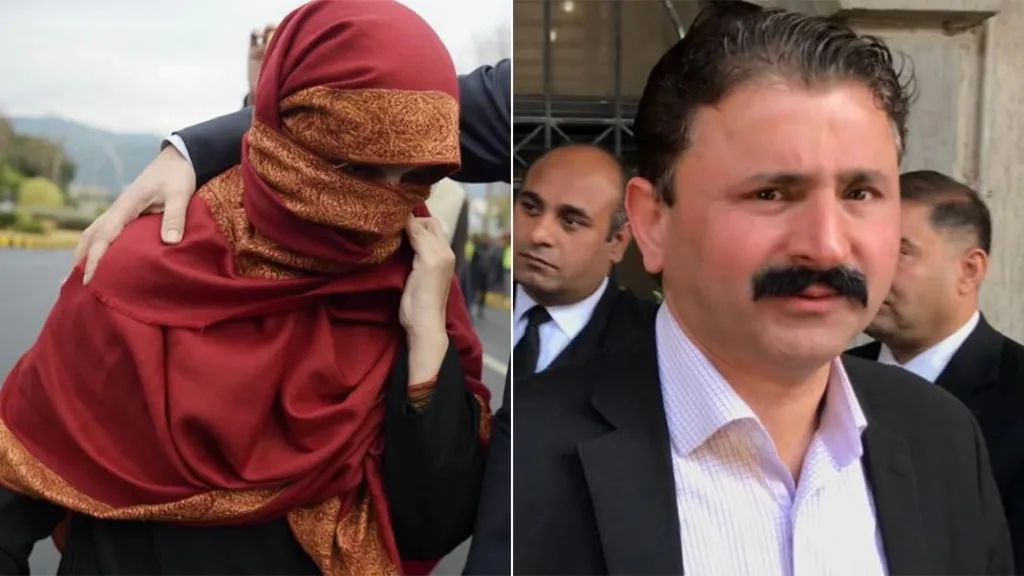
Tayyaba was approximately ten years old when her case emerged in Islamabad in December 2016. She was working in the household of additional district and sessions judge Raja Khurram Ali Khan and his wife, Maheen Zafar.
The case eventually resulted in criminal convictions. It also exposed a wider concern about children working behind closed doors, the unequal power between employers and vulnerable families, and the difficulty of ensuring that a child’s interests remain central throughout legal proceedings.
Tayyaba’s story deserves to be remembered with care. She was a child entitled to protection, education and dignity—not simply a domestic worker whose treatment became news.
How the Case Came to Public Attention
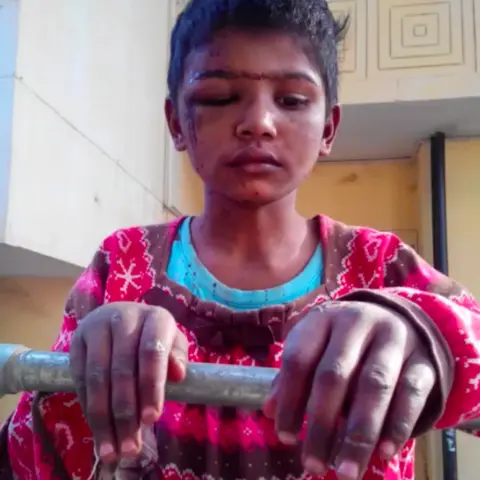
In late December 2016, reports and photographs of Tayyaba’s injuries began circulating publicly. Neighbours reportedly raised concerns, and a police case was registered against her employers.
The allegations included physical mistreatment, burns and confinement. The couple denied wrongdoing.
These were serious allegations requiring investigation, but responsible reporting must distinguish the accusations made at the beginning of a case from the offences ultimately established in court. A later conviction does not automatically establish every detail that appeared in early reporting. Gulf News’ account of the case.
The public response reflected concern not only about the injuries but also about where the child had been working. A judicial position carries responsibilities associated with the protection of rights and the administration of justice. Allegations arising within such a household therefore raised particular questions about accountability.
The Compromise That Did Not End the Case
In early January 2017, a compromise was reached with Tayyaba’s parents. Her father sought to withdraw allegations against the employers.
The Supreme Court subsequently took notice of the matter, and the prosecution continued despite the attempted settlement. LiCAS News’ review of the proceedings.
This development raised an important child-protection issue: a child’s interests may not be adequately represented by an agreement between adults.
That does not justify assuming, without evidence, that every parent who seeks a settlement has been bribed or threatened. Families may face complicated circumstances, and claims about pressure must themselves be investigated.
However, where a child is involved, authorities must carefully examine whether an agreement protects that child or leaves them exposed to further harm. The child needs an independent assessment of safety and appropriate representation, particularly when the adults involved have unequal access to money, legal knowledge or influence.
What the Court Decided in 2018
On 17 April 2018, the Islamabad High Court convicted Raja Khurram Ali Khan and Maheen Zafar under Section 328-A of the Pakistan Penal Code, concerning cruelty to a child.
They received one-year prison sentences and fines. Reporting on the judgment also stated that they were acquitted of other charges. This distinction matters: the conviction should be described accurately rather than presented as a finding of guilt on every original accusation. Geo News’ report on the judgment.
In June 2018, the Islamabad High Court increased the prison sentences to three years during the subsequent proceedings. The Express Tribune’s sentencing report.
The case therefore moved beyond an initial prosecution into appellate consideration of the convictions and punishment.
The Supreme Court’s January 2020 Decision
On 10 January 2020, the Supreme Court set aside the enhanced three-year sentences and restored the original one-year terms.
Contemporary reporting also recorded a separate government appeal seeking an increase in punishment, in which notices were issued. The January decision should therefore be described within that procedural context. Business Recorder’s report.
The restoration of the shorter sentences did not amount to an acquittal. The convictions remained in place.
This article does not establish the eventual outcome of the separate sentence-enhancement proceedings. It also makes no claim about Tayyaba’s present circumstances, which should not be guessed or exposed without a clear public-interest reason.
Why the Sentence Raised Questions About Equal Justice
The difference between a one-year and a three-year sentence understandably became part of the public discussion.
Readers may question whether punishment adequately reflects the seriousness of harm to a child. They may also ask whether people associated with powerful institutions receive treatment unavailable to ordinary citizens.
Those questions deserve a reasoned response. However, a reduced sentence does not by itself prove favouritism or improper influence. Such conclusions require evidence about the decision and its legal basis.
The stronger demand is for transparent reasoning, consistent standards and meaningful protection for victims.
A person’s office, professional standing or social connections must never become a shield against lawful accountability. Equally, criticism of a judgment should remain grounded in the record rather than unsupported allegations about an entire institution.
This principle also informs our discussion of CCD encounters in Punjab and due process: justice requires the same commitment to lawful procedure and accountability, regardless of who is accused.
A Private Home Must Not Become a Place Beyond Protection
Domestic work takes place in spaces that are less visible to the public than many other workplaces.
For a child, dependence on an employer can extend beyond work. The employer may control access to food, rest, communication, transport and contact with family. A child may not know where to seek assistance or may fear the consequences of speaking.
A comfortable household, educated employer or respected professional title cannot substitute for safeguarding.
The relevant questions concern the child’s actual circumstances:
Can the child contact a trusted adult freely?
Are there signs of injury, intimidation or neglect?
Is the child receiving an education?
Can concerns be reported safely?
Will an outside authority assess the situation independently?
Privacy within a home should coexist with effective protection against violence and exploitation.
Childhood Cannot Be Replaced by Domestic Service
A child’s future should not depend on whether an employer chooses to permit learning, rest or family contact.
Article 25-A of Pakistan’s Constitution places responsibility on the state to provide free and compulsory education for children aged five to sixteen, as determined by law. Article 25 recognises equality before the law and permits special provisions for the protection of women and children. Constitution of Pakistan, National Assembly edition.
These principles challenge the idea that a young child’s primary role should be maintaining another household.
Providing food and accommodation does not cancel a child’s rights. Nor does a family’s financial hardship make abuse acceptable.
A protective response must address both the immediate danger and the circumstances that make families dependent on unsafe arrangements.
Tayyaba and Rizwana: Different Cases, Related Concerns
The cases must be considered separately. Their evidence, proceedings and outcomes should not be treated as interchangeable.
Read together, however, they provide a reason to examine recurring concerns: children working in private households, unequal bargaining power, access to protection and the responsibilities of adults entrusted with a child’s welfare.
The purpose of connecting these stories is to encourage prevention. Public attention should help build lasting safeguards rather than disappear once a particular case leaves the headlines.
Our account of the Zainab Ansari case likewise asks how public concern can lead to stronger protection for other children.
Protection Must Continue After a Child Leaves an Unsafe Household
Removing a child from danger is essential, but it should begin a sustained protective response.
A child may need an assessment of health and safety, a stable living arrangement, educational support and access to qualified professionals. Families may also need assistance understanding proceedings and maintaining contact with relevant authorities.
Samaritan’s Fellowship believes that a responsible response should include:
An individual assessment of the child’s needs;
Appropriate medical and psychological referrals;
Safe accommodation where necessary;
Support for continuing or returning to education;
Protection from intimidation;
Clear communication with caregivers;
Follow-up to reduce the risk of renewed exploitation.
These are recommended safeguards. They are not claims about services delivered by SFFP in Tayyaba’s case.
Listening Without Turning a Child Into a Spectacle
Public reporting helped bring attention to Tayyaba’s situation. But attention must be handled responsibly.
Repeated circulation of injury photographs can expose a child to lasting humiliation. Intrusive interviews can place pressure on a survivor to describe painful experiences for an audience.
A child should not have to perform their suffering to be believed.
Reporting should use only the personal information necessary to explain the public-interest issues. It should distinguish allegations from findings, avoid graphic material and respect a survivor’s life beyond the case.
The purpose of documentation is accountability and protection—not the permanent public exposure of a child.
Samaritan’s Fellowship’s Position
At Samaritan’s Fellowship Foundation Pakistan, we believe that dignity and equal protection belong to every person, including children whose families have little money or influence.
Our position is clear:
No professional title excuses cruelty. No household’s reputation is more important than a child’s safety. And no child should lose access to justice because the adults around them hold unequal power.
We support impartial investigation, evidence-based prosecution, fair proceedings and accountability through lawful institutions. We reject intimidation, mob violence and punishment outside the courts.
Our criticism of abuse is a call for institutions to fulfil their responsibilities. Effective courts, responsible police and accessible child-protection services are essential to that work.
This article documents the public record and presents our advocacy position. It does not claim that Samaritan’s Fellowship rescued Tayyaba, represented her family or participated in her prosecution.
Addressing the Vulnerability Behind Unsafe Work
Families facing financial pressure need practical alternatives alongside awareness of their rights.
Samaritan’s Fellowship’s wider work connects community empowerment with education, healthcare, livelihoods and human rights. Through StartFish, we support the goal of stronger livelihoods and greater economic independence for vulnerable families.
Economic support is not a substitute for enforcing the law. It can, however, help families build stability and reduce dependence on arrangements that place children at risk.
Protection should give families a realistic way forward: safer livelihoods for adults, education for children and access to institutions when something goes wrong.
What Should Change?
Samaritan’s Fellowship calls for a child-protection response that continues beyond individual prosecutions.
Authorities, communities and organisations should work toward:
Accessible reporting: Children and families need clear, safe ways to raise concerns.
Independent assessment: A child’s welfare must be examined separately from the preferences of employers or other adults.
Accountability without privilege: Professional status should never prevent a complaint from being investigated.
Education and family support: Protection plans should address schooling and the household pressures contributing to vulnerability.
Responsible public communication: Case updates should inform the public without exposing survivors unnecessarily.
Sustained follow-up: A child’s safety should remain a priority after removal, settlement discussions or court proceedings.
These priorities should be assessed through practical outcomes: whether children are safer, families can seek help and credible complaints receive a fair response.
Stand With Vulnerable Children and Families
Tayyaba’s story asks us to look beyond the boundaries of a private household and recognise a public responsibility.
Children deserve to learn, grow and live without fear. Families should be able to seek protection without confronting influence alone.
Your support helps sustain Samaritan’s Fellowship’s broader work in community empowerment, rights awareness and practical support for vulnerable people.
A child’s dignity must never depend on the status of the household in which she works. Equal justice means protecting the person with the least power as seriously as anyone else.
Frequently Asked Questions
Who was Tayyaba?
Tayyaba was a child domestic worker, reported to be approximately ten years old when her abuse case became public in Islamabad in December 2016.
Were her employers convicted?
Yes. Raja Khurram Ali Khan and Maheen Zafar were convicted under Section 328-A of the Pakistan Penal Code, concerning cruelty to a child, in April 2018.
What happened to their sentences?
The original one-year prison sentences were increased to three years in June 2018. In January 2020, the Supreme Court restored the one-year terms while maintaining the convictions. A separate government request for enhanced punishment was also reported at that time; its eventual outcome is not established here.
Why is the case relevant to human rights?
It concerns child protection, dignity, education, unequal power and access to justice. It also raises questions about how institutions safeguard a child when adults seek a compromise.
Was Samaritan’s Fellowship directly involved?
This article makes no claim of direct involvement. We are documenting the case to promote awareness, lawful accountability and stronger protection for vulnerable children.