Empowerment Beyond Aid — Advancing Freedom and Rights.
Founded in 2013, Samaritan’s Fellowship Foundation Pakistan (SFFP) is a nonprofit organisation advancing human rights, social inclusion and sustainable development through more than a decade of grassroots engagement. Our work is grounded in a fundamental belief: lasting freedom requires more than temporary assistance. It requires dignity, equal opportunity, and the power to shape one’s own future.
Working across more than 55 communities in Punjab, Sindh and Khyber Pakhtunkhwa, we address interconnected challenges including bonded labour, economic exploitation, poverty, unsafe drinking water, unequal access to education and healthcare, and barriers to sustainable livelihoods.
Our experience has taught us that poverty is not simply a lack of resources. It is often sustained by discrimination, unequal power relationships, social exclusion and the failure of institutions to uphold existing rights and protections. Addressing these challenges requires more than delivering services; it demands meaningful participation, institutional accountability and lasting structural change.
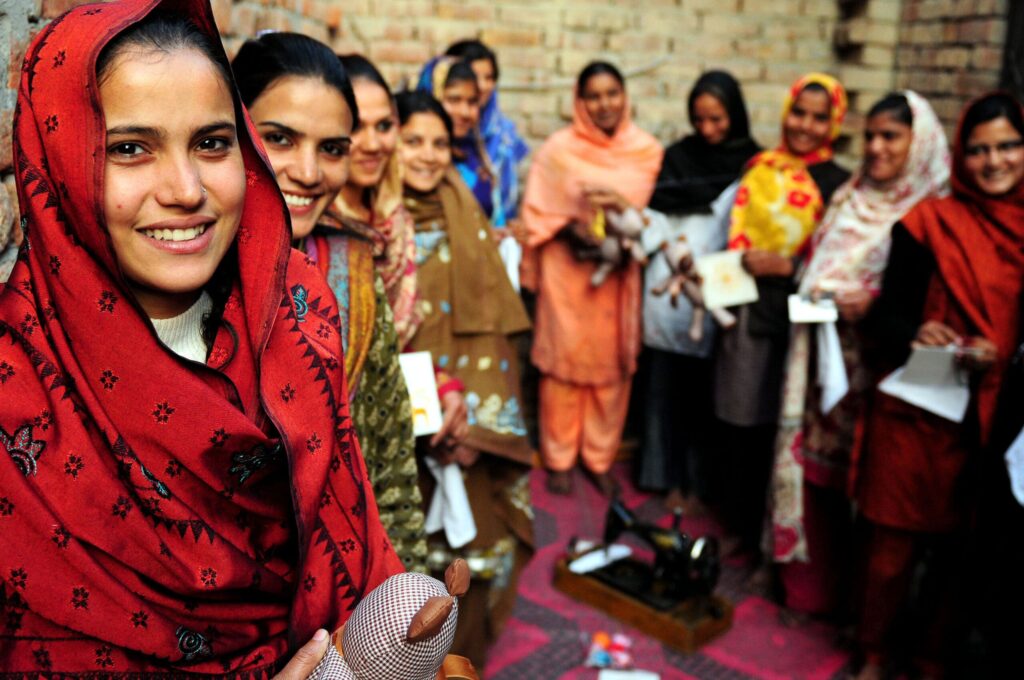
Over the years, SFFP has evolved from responding to immediate humanitarian needs into an integrated, rights-based organisation connecting relief, protection, economic empowerment and civic participation. Through initiatives such as Set Them Free, End Water Crisis, Mobile Medical Mission, StartFish and our education and human rights programmes, we create practical pathways from vulnerability and dependence towards freedom, opportunity and self-reliance.
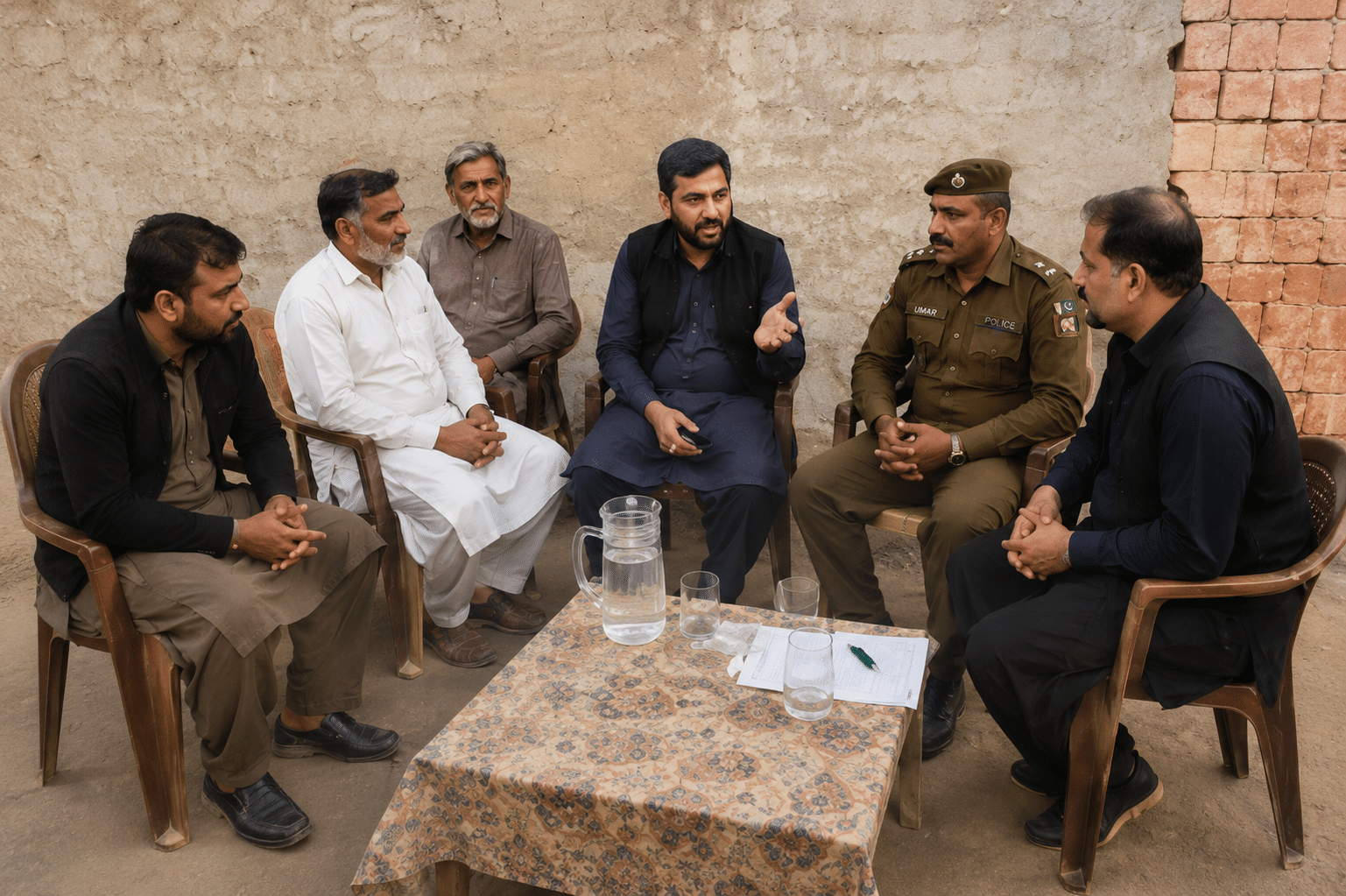
Our approach begins with communities themselves. We listen to their experiences, identify the barriers they face, and develop evidence-informed solutions that combine immediate assistance with long-term empowerment. We promote skills development, entrepreneurship, rights awareness, civic leadership and community participation while addressing the discriminatory practices and institutional barriers that prevent people from exercising their rights.
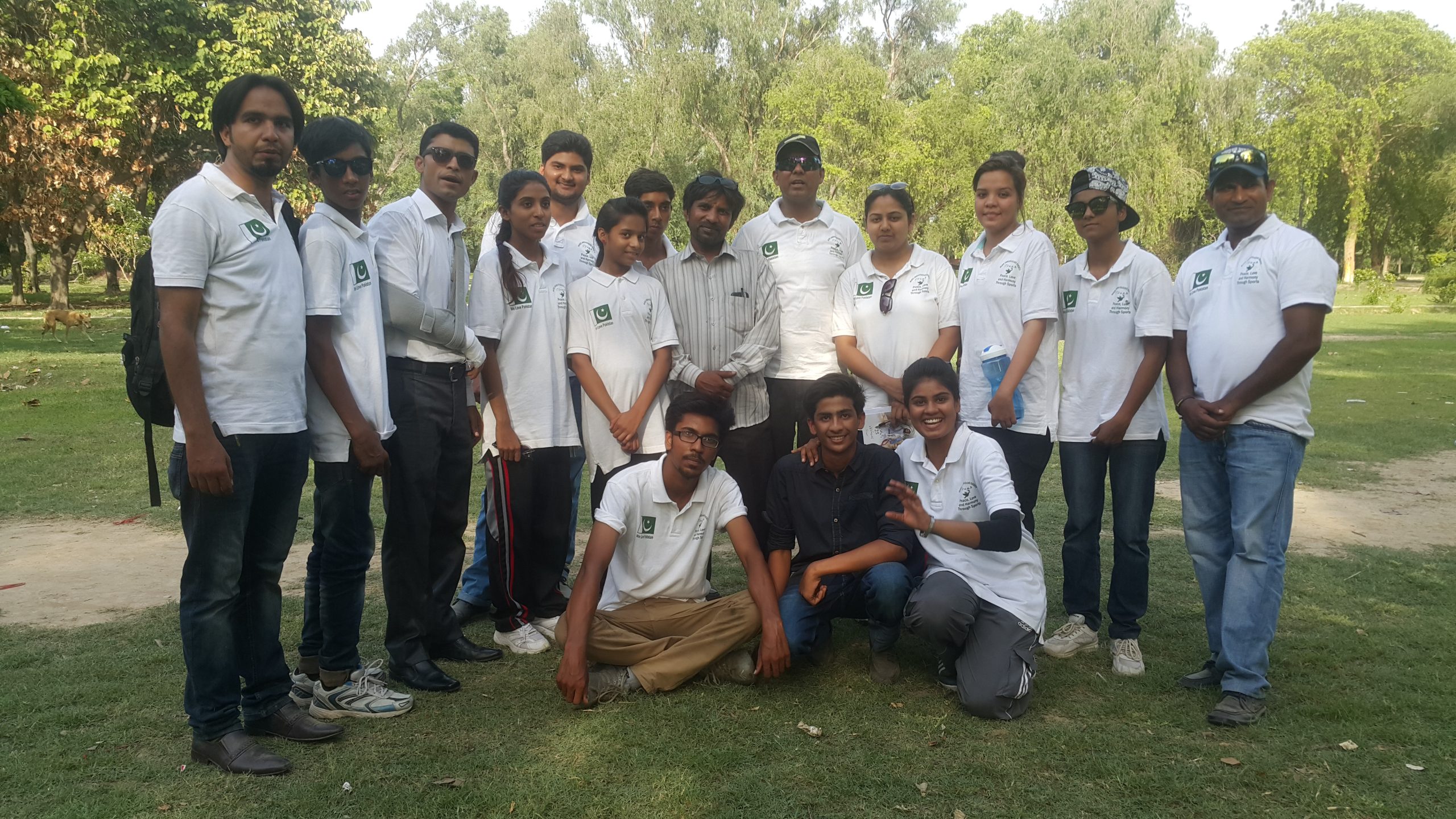
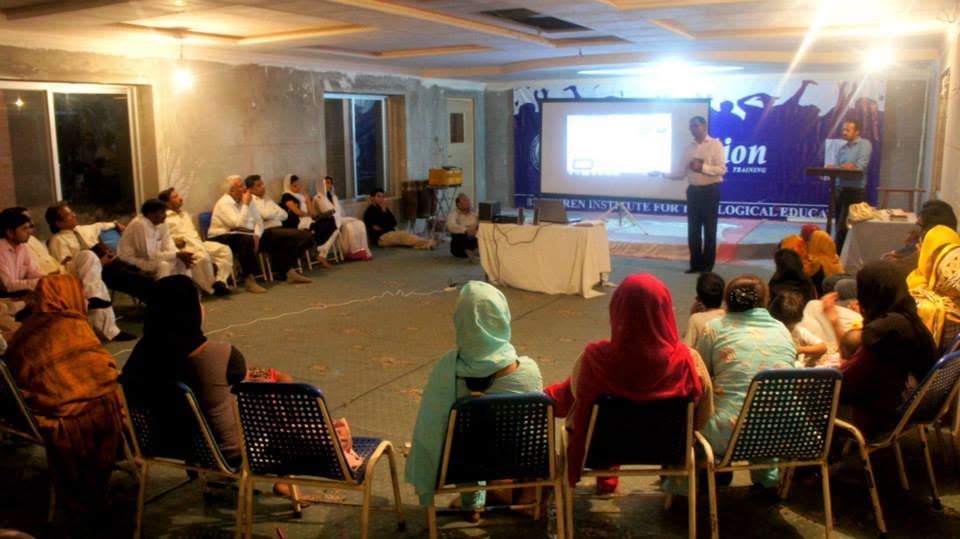
Our experience extends beyond service delivery. Through human rights education, civic engagement and community leadership initiatives, SFFP has engaged more than 1,250 citizens in civic participation, trained over 250 community leaders, engaged more than 550 minority women and young people, and convened 42 public forums and dialogues. We have also advanced six policy recommendations, strengthening the connection between grassroots experiences and institutional decision-making.
We recognise that meaningful change requires collaboration. SFFP has engaged senior provincial decision-makers, including the then Governor of Punjab and the Speaker of the Punjab Assembly, presenting proposals concerning minority education and social development. Our relationships with civil society organisations, including CHRE Pakistan, contribute to our work in human rights, inclusion and participatory governance.
As communities face evolving economic and social challenges, we are also exploring new opportunities through digital innovation, responsible applications of artificial intelligence, creative advocacy and sustainable entrepreneurship. These approaches can help marginalised people strengthen their economic participation, share their experiences, challenge discrimination and engage more effectively with the institutions that shape their lives.
What distinguishes SFFP is our ability to connect grassroots realities with practical solutions and constructive institutional engagement. We do not see marginalised people as passive recipients of charity, but as rights-holders, economic participants, community leaders and essential partners in creating change.
We believe that real progress is achieved not simply when immediate needs are met, but when people gain the knowledge, resources, confidence and collective voice to overcome exclusion, claim their rights and contribute to decisions affecting their lives.
We do not stop at relief. We create pathways to self-reliance, strengthen community voices, and work towards societies where freedom, dignity and opportunity are accessible to all.