Why Samaritan’s Fellowship?
Afshan and Faisal had arrived in Kunri as strangers.
They had no family connection to the village, no project office in the area and no formal responsibility for the people they met. They could have expressed sympathy, made a small donation and returned home.
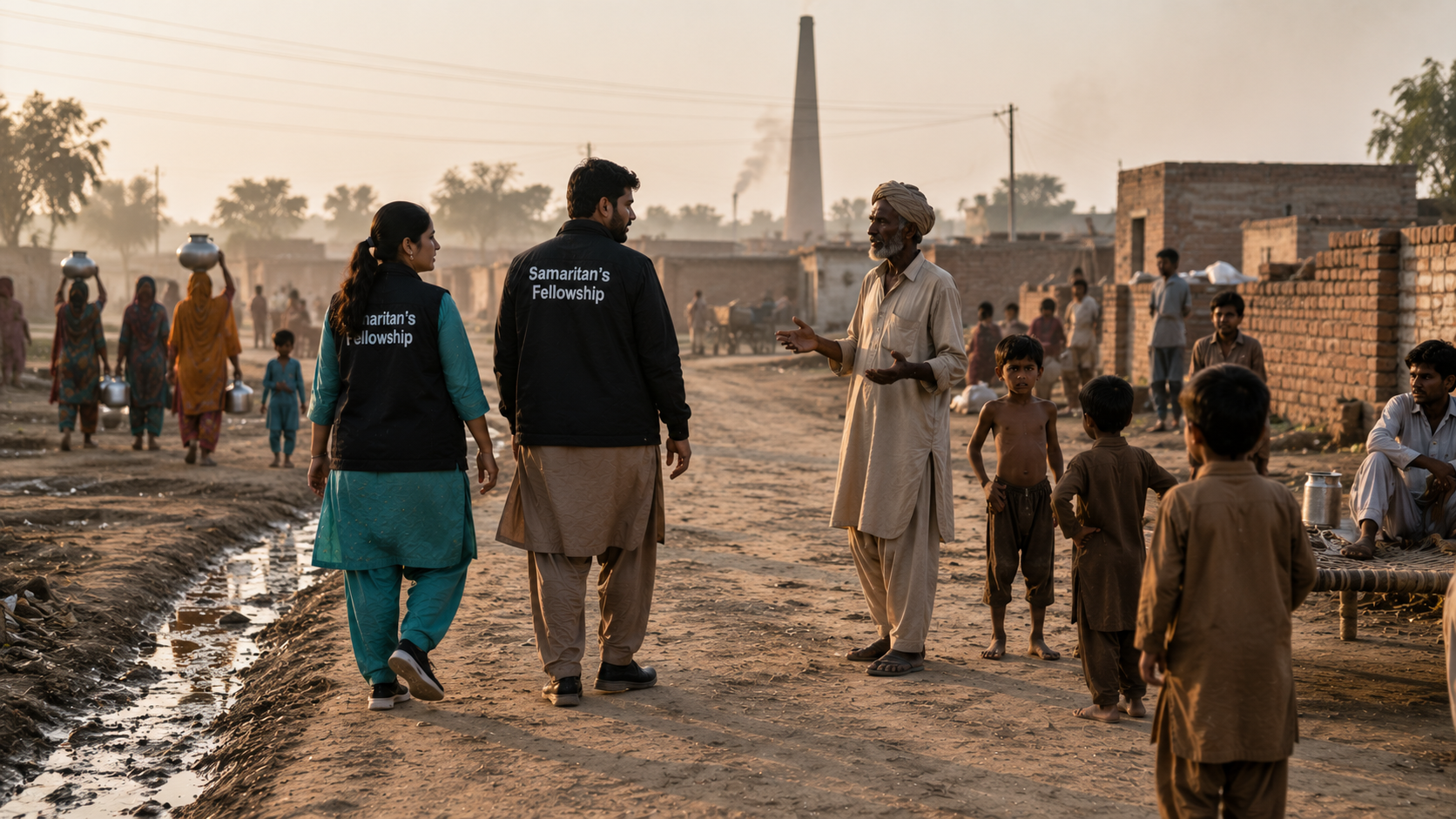
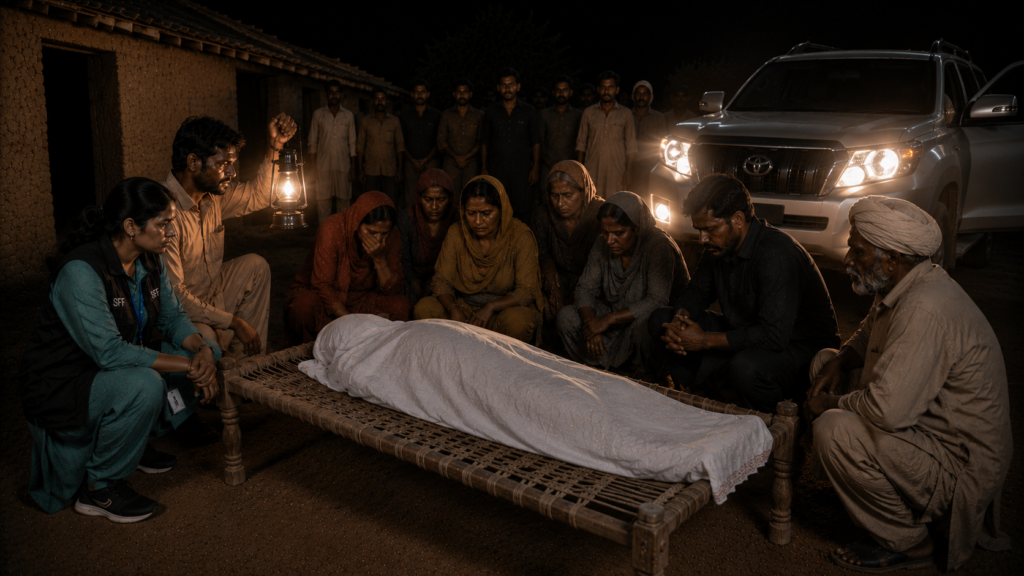
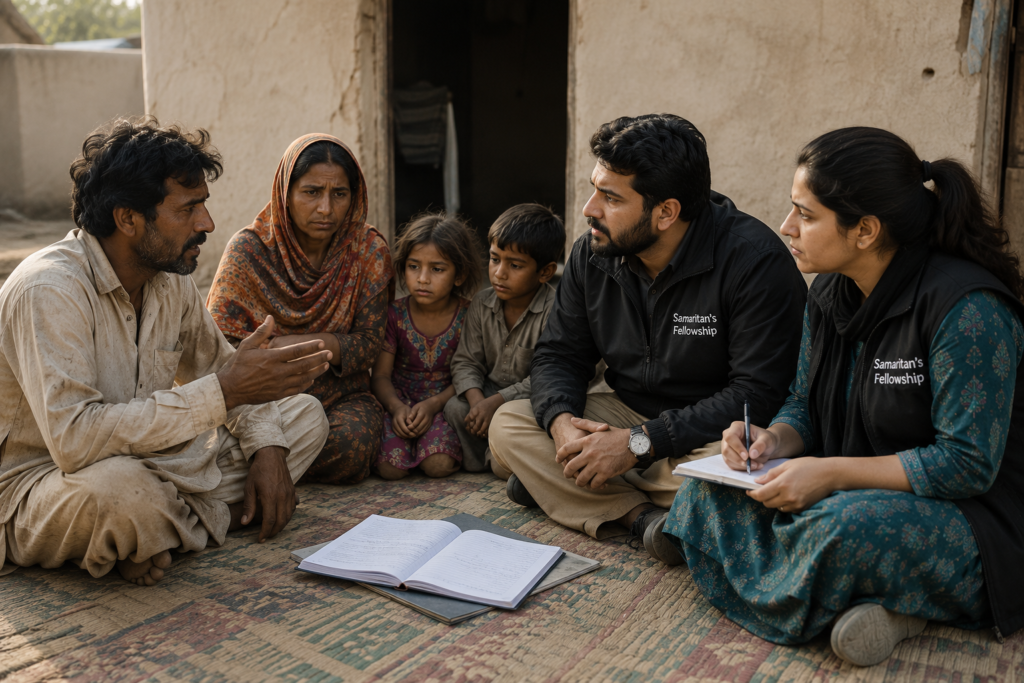
But after witnessing the young woman’s death and listening to the stories of families living without water, healthcare or freedom, walking away no longer felt possible.
They were reminded of the biblical parable of the Good Samaritan.
In the story, a man is attacked, robbed and left injured beside the road. Others see him but continue on their way. The Samaritan, although regarded as an outsider, stops. He tends to the man’s wounds, carries him to safety and accepts responsibility for his care.
The Samaritan did not help because the injured man belonged to his family, community or social group. He helped because another human being was suffering in front of him.
That idea became the foundation of Samaritan’s Fellowship: strangers standing beside strangers because compassion should never end with sympathy.
It should become action.
Relief Was Not Enough
In the beginning, Afshan and Faisal responded with whatever resources they personally had. They supported urgent medical cases, helped families with food and involved friends who were willing to contribute.
But the needs kept returning.
A food package could support a family for several days, but hunger would return. Medicine could treat one illness, but contaminated water would make the family sick again. Paying one debt could release a family, but without an income, another debt might soon take its place.
Temporary assistance could help people survive an emergency.
It could not prevent the next emergency.
Afshan and Faisal realised that the communities they were serving did not only need relief. They needed a practical path from crisis to independence.
A family leaving bonded labour needed more than release. It needed a safe place to live, children needed to return to school, and parents needed a way to earn without borrowing from another landlord.
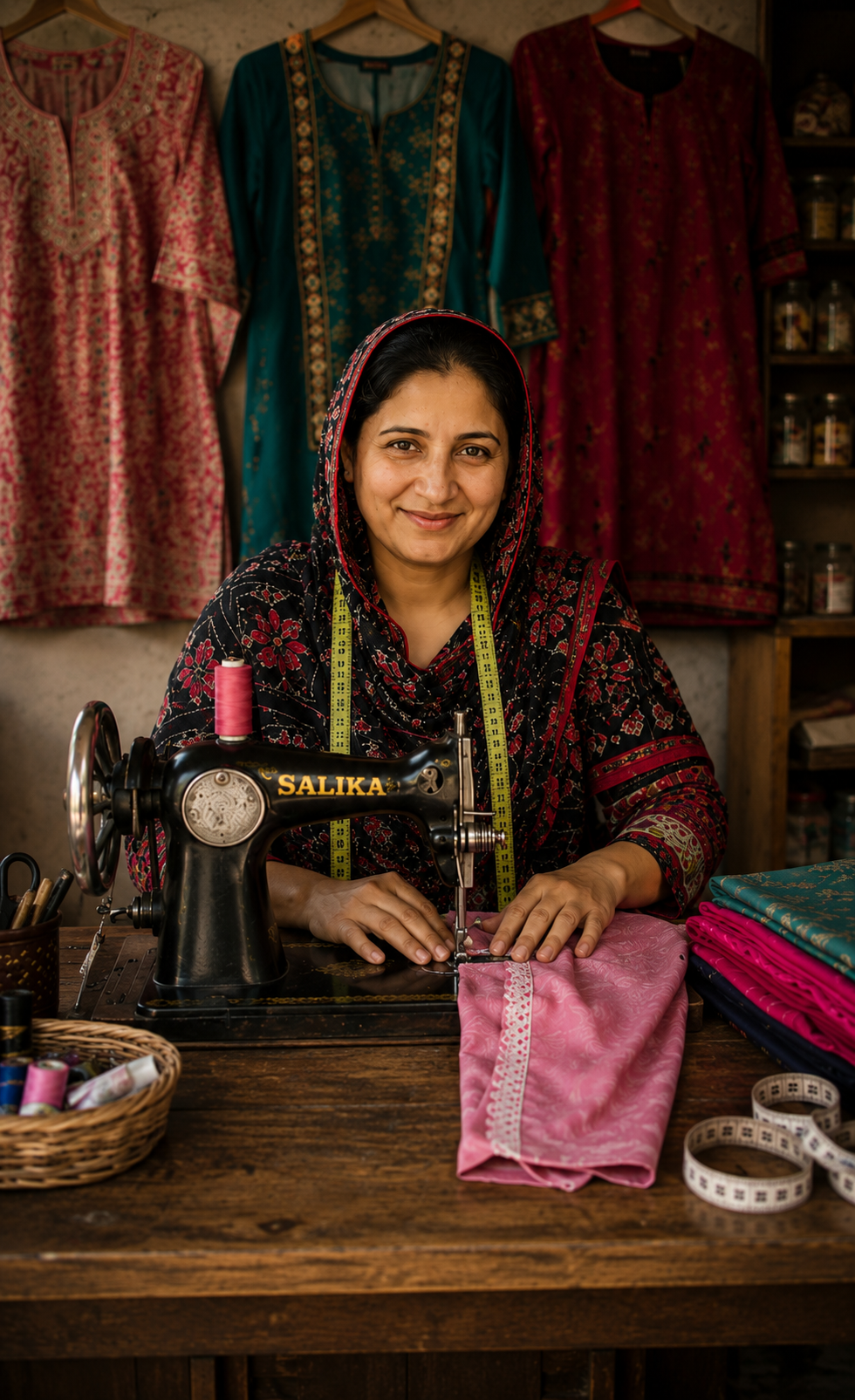
Samaritan’s Fellowship therefore began helping survivors learn practical trades such as tailoring, plumbing, electrical work, barbering, cooking and driving. Some later found employment in other cities. Others began earning within their own communities.
For the first time, families that had spent generations working under someone else’s control began earning income on their own terms.
Yet another challenge soon became clear.
A person might know how to sew clothes, repair electrical equipment, cut hair, cook food or drive a vehicle, but still lack the money to buy tools, equipment or basic stock.
Training had given them skills.
They still needed a beginning.
From Skills to Sustainable Livelihoods
Samaritan’s Fellowship began supporting families with small businesses and income-generating opportunities.
A sewing machine could allow a woman to work from home. A set of plumbing tools could enable a trained worker to begin accepting jobs. A barber chair could become the foundation of a small shop. A food cart, grocery kiosk, rickshaw, poultry business or mobile-repair toolkit could create a reliable income for an entire family.
The investment was often modest.
The change it created was not.
A family earning independently no longer had to borrow money for every emergency. Parents could provide food without depending on a landlord. Children could attend school instead of working to repay inherited debt. Survivors could begin rebuilding confidence and making decisions about their own lives.
Freedom was no longer only the moment a debt was cleared.
It was the ability to remain free.
This work eventually developed into a wider livelihood pathway designed to move families from dependence toward sustainable economic independence.
Over time, what had begun as separate responses to urgent problems became one connected ecosystem.
Building an Ecosystem of Change
Samaritan’s Fellowship did not enter communities with a plan to create a collection of unrelated projects.
The ecosystem grew from what families themselves were experiencing.
A community struggling with contaminated water needed a well, but children already weakened by disease also needed healthcare. A family freed from bonded labour needed legal and financial support, but it also needed skills and income. Children removed from exploitation needed school, but many also needed emotional support, confidence and protection.
Each solution led naturally to the next.
Safe water protected health. Healthcare helped families recover and remain able to work. Freedom from bonded labour restored control over their lives. Vocational skills and small businesses created income. Education opened opportunities for children. Human rights awareness helped people recognise exploitation, while community leadership enabled them to speak, organise and contribute to solutions.
The purpose was never to keep families permanently dependent on Samaritan’s Fellowship.
The purpose was to walk beside them until they could stand independently.
This became the organisation’s model: responding to immediate suffering while addressing the deeper conditions that caused it.
The Children Left Behind
More than a decade of working with vulnerable families has revealed one need that cannot be postponed.
The children.
When a family is released from bonded labour, the adults may finally be free, but their children often carry years of lost education, fear and trauma with them.
Some have never entered a classroom. Others are already teenagers by the time their family escapes. Many have grown up watching their parents experience debt, violence, humiliation and exploitation. Some have experienced abuse or domestic violence themselves.
Children raised under these conditions may begin to believe that powerlessness is normal. They may struggle to speak confidently, trust adults or imagine a life beyond the brick kiln, farm or settlement where they were born.
School enrolment alone cannot repair everything they have experienced.
They need education, safe spaces, emotional support, protection, confidence-building activities and opportunities to play, learn and develop. They need adults who listen to them and institutions that believe their future can be different from the lives their parents were forced to endure.
Samaritan’s Fellowship wants these children to become more than recipients of aid.
It wants them to become students, professionals, advocates and community leaders. It wants them to understand their rights, develop their abilities and become the generation that finally breaks the cycle inherited from those before them.
This is now one of the most important chapters in the organisation’s journey.
The Story Is Still Being Written
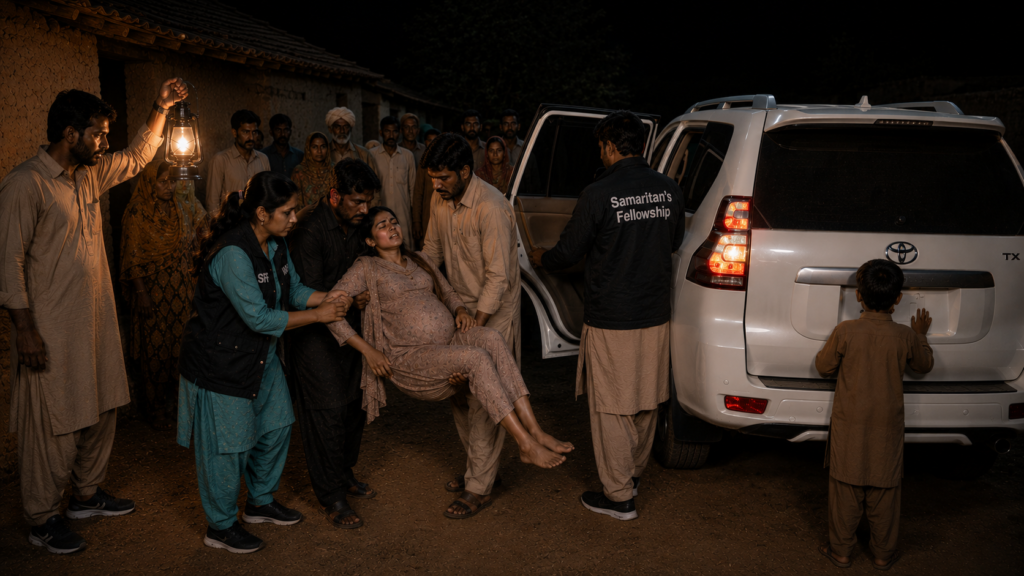
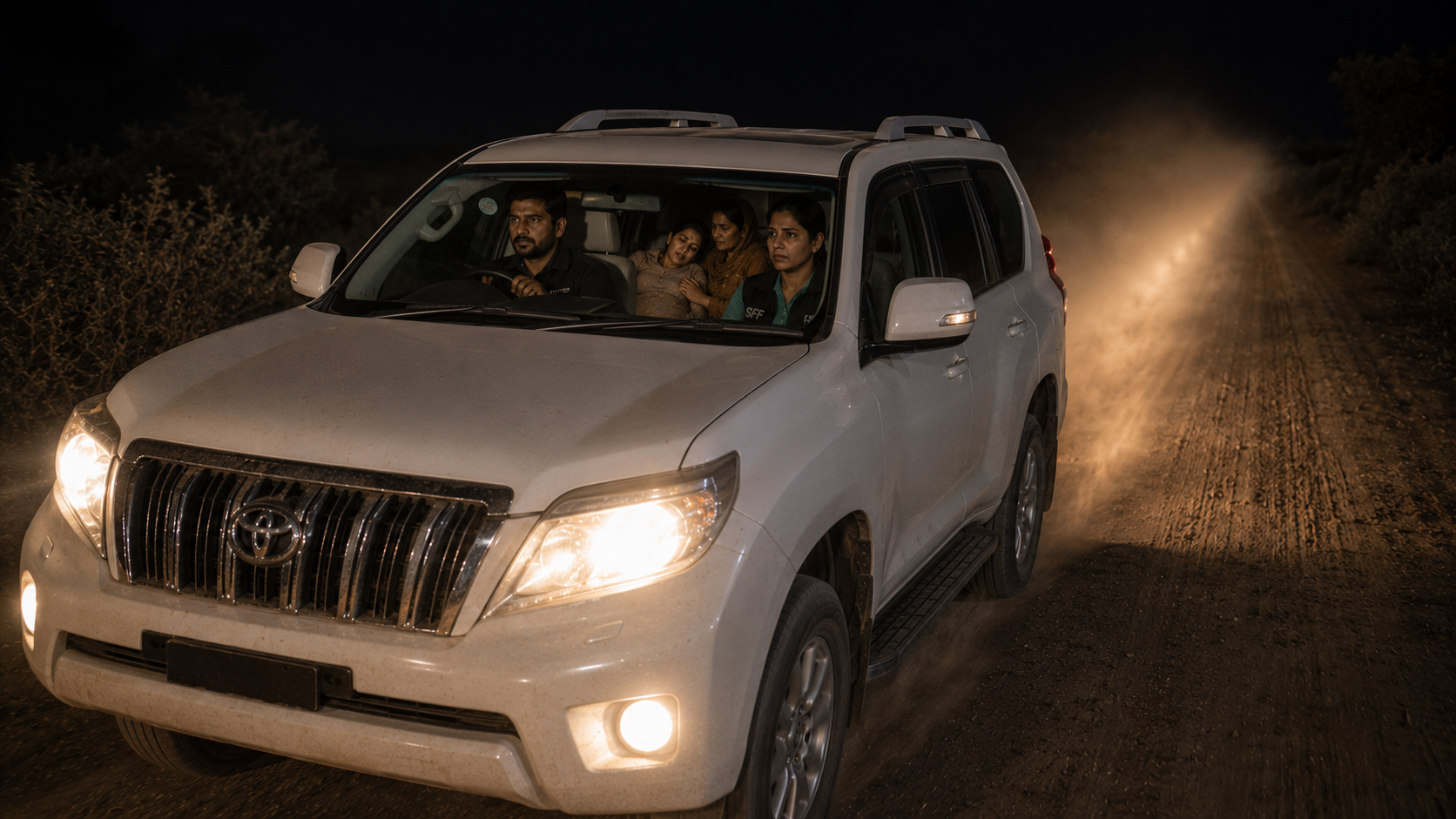
Afshan and Faisal could not save the young pregnant woman who died on the road to the hospital in 2012.
Nothing can change what happened that night.
But they could refuse to accept her death as normal.
Every well that gives a family access to safer water is part of the response that began that night. Every patient who reaches a doctor before it is too late is part of that response. Every family that walks free from bonded labour, every parent who begins earning independently and every child who enters a classroom with hope is part of the same continuing story.
One tragedy revealed an entire system of suffering.
That suffering inspired a commitment not merely to provide temporary relief, but to walk with families from crisis to freedom, from dependence to opportunity and from exclusion to dignity.
This is why Samaritan’s Fellowship exists.
Help Us Write the Next Chapter
The work is far from complete. Communities still lack access to healthcare and safe drinking water. Families remain trapped in bonded labour, survivors need opportunities to rebuild their lives, and thousands of children are still waiting for the chance to learn, heal and imagine a different future.
Samaritan’s Fellowship is seeking partners, donors, volunteers, educators, healthcare professionals and child-protection specialists who believe that vulnerable families deserve more than survival.
They deserve freedom, health, opportunity and the power to shape their own future.
Explore Our Ecosystem
Partner With Us
Support Our Work