Gohar Chak No. 8, Pattoki, Kasur District, Punjab | 22 June 2026
A father of four.
A daily-wage worker loading bricks.
A disagreement that reportedly ended.
Then an objection to his drinking from a shared water cooler because he was Christian.
According to contemporary reporting, Siddique Masih was killed by a co-worker at a brick kiln near Pattoki on 22 June 2026.
His death raises concerns about religious discrimination, workplace safety and the vulnerability of families dependent on daily wages.
The account below distinguishes reported witness and family statements from facts established through a court judgment.
Who Was Siddique Masih?
Siddique Masih was a 40-year-old Catholic Christian and father of four children.
Some reports spell his name as Sadiq Masih. This article follows the spelling used in the original Christian Daily International–Morning Star News report.
His daily-wage work supported a financially vulnerable household, including a child requiring ongoing medical treatment.
Source: Christian Daily International–Morning Star News — Muslim in Pakistan Kills Christian Co-Worker.
Work at a Brick Kiln
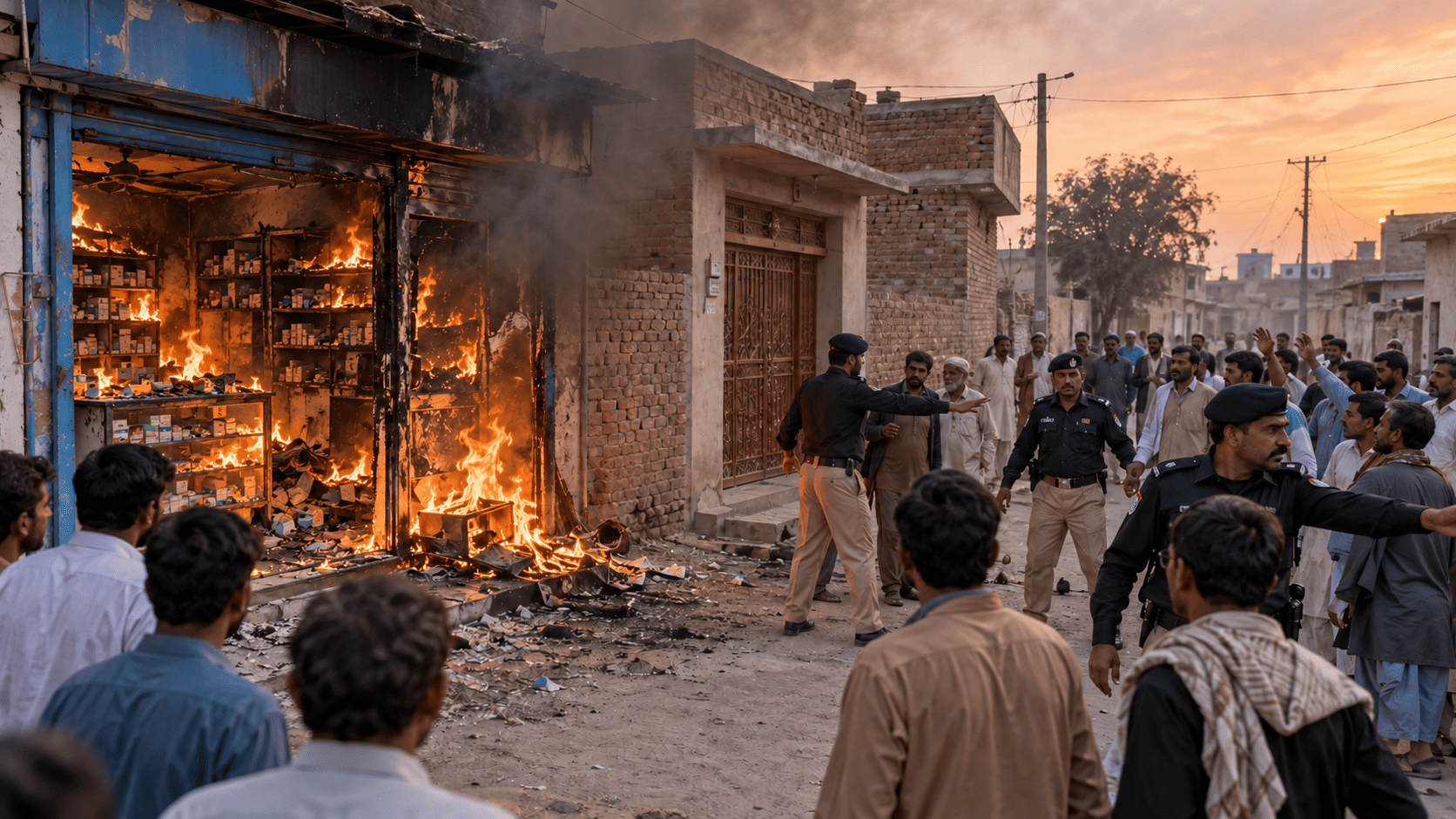
On the day of the incident, Siddique was working at Ayyan brick kiln in Gohar Chak No. 8, Pattoki Tehsil.
The workplace became the setting of a fatal confrontation.
This case concerns reported violence against a worker. Employment at a brick kiln alone does not establish that he was in bonded labour.
A Wage Disagreement Came First
The reporting describes an earlier wage-related disagreement between Siddique and a co-worker.
Other workers reportedly intervened, and work resumed.
That background matters because the account includes more than one disagreement. It should not be reduced to a simplified sequence that omits the earlier dispute.
An Objection to Sharing Drinking Water
The same report attributes to witnesses an objection to Siddique using a common water cooler because of his Christian identity.
A fatal knife attack reportedly followed.
This is the central religious-discrimination allegation in the published account. It must remain attributed to the reporting and its sources rather than presented as a motive conclusively established by a court.
Source: Christian Daily International–Morning Star News.
Drinking Water Is a Basic Need
Workers need access to drinking water.
Heavy physical work makes that access particularly important. A person’s religion should never determine whether they can use a shared workplace facility.
An objection based on religious identity undermines both dignity and equal treatment.
No worker should be excluded from drinking water because of their faith.
Whatever disagreements preceded the incident, violence cannot be justified.
The Reported Arrests
The contemporary report states that the alleged attacker and three other people were arrested.
An arrest is an investigative development. It is not a conviction.
This article does not claim that a final judicial outcome has been established.
A credible response requires evidence, fair proceedings and accountability determined through law.
A Family Lost Its Provider
Siddique’s death left a wife and children facing grief and financial insecurity.
For households dependent on daily wages, the loss of a working parent can affect food, rent, healthcare and education at the same time.
The consequences of violence therefore extend beyond the immediate incident.
A family may need support long after public attention moves elsewhere.
Religious Discrimination Can Appear in Everyday Life
Religious discrimination is not confined to major attacks or public confrontations.
It can appear in ordinary settings:
- access to shared facilities;
- treatment by colleagues;
- workplace relationships;
- employment opportunities;
- and responses to complaints.
These settings deserve attention because everyday exclusion can make people less safe and less able to seek help.
Prevention requires recognizing discriminatory conduct before it escalates.
Workplace Safety Includes Protection From Violence
A safe workplace requires more than protection from machinery, heat or physical hazards.
It also requires practical ways to address threats, harassment and disputes.
Employers and workplace leaders should establish:
- equal access to drinking water and facilities;
- clear rules against discrimination;
- safe ways to raise concerns;
- prompt responses to threats;
- and procedures for resolving disagreements peacefully.
Workers should be able to report a problem without fearing retaliation or losing their livelihood.
Religious Identity Must Not Become Collective Blame
The reported religious identity of an alleged attacker does not make an entire community responsible.
Accountability belongs to the individuals whose conduct is established through evidence.
The purpose of documenting this case is to identify discrimination, protect vulnerable workers and support lawful justice.
It must not create hostility toward Muslims, Christians or any other community.
Why Clean Water and Human Rights Belong Together
Access to water is not only a question of whether a cooler, well or tap exists.
People must be able to use it safely and without discriminatory barriers.
A functioning water source does not provide equal access if some people are excluded because of their identity.
This is why water access, dignity and inclusion belong together.
Infrastructure and equal treatment must reinforce one another.
The Universal Declaration of Human Rights
This case raises concerns connected to several principles of the Universal Declaration of Human Rights:
- Article 2: rights without discrimination;
- Article 3: life and security of person;
- Article 7: equality before the law;
- Article 18: freedom of thought, conscience and religion;
- Article 23: just and favourable conditions of work;
- Article 25: an adequate standard of living, including health and well-being.
These protections apply to daily-wage workers as fully as they apply to anyone else.
Economic vulnerability must not reduce a person’s entitlement to dignity or protection.
Minority Rights Are Pakistani Rights
Christian workers are members of Pakistan’s communities and economy.
Their safety, religious freedom and equal treatment are matters of Pakistani citizenship.
Protecting a minority worker strengthens the rule of law. It affirms that basic protections do not depend on religion, income or social influence.
At Samaritan’s Fellowship Foundation Pakistan, we support peaceful coexistence, rights awareness and constructive engagement across religious and social boundaries.
Why Human Rights and Development Must Work Together
A family affected by violence may face several needs at once.
Protection and legal support may be urgent. Healthcare, children’s education and household income may also require attention.
SFFP’s wider work connects these areas:
- Human rights education strengthens awareness and constructive participation.
- End Water Crisis addresses barriers to clean water.
- StartFish supports sustainable livelihoods and economic independence.
- Education and healthcare initiatives address needs that can deepen after a family crisis.
These are descriptions of SFFP’s broader approach. We do not claim to have assisted Siddique’s family directly or intervened in this case.
What Should We Learn From This Case?
- Shared water must be accessible without religious discrimination.
- Workplace disagreements need peaceful resolution.
- Threats and harassment require early intervention.
- Reported motives must be investigated through evidence.
- Arrests must not be confused with convictions.
- Affected families may need sustained support.
- Individual responsibility must never become collective blame.
Siddique’s story reminds us that equal dignity must be protected in everyday places: at work, beside a water cooler and in the relationships between neighbours and colleagues.
Help Us Advance Freedom, Dignity and Opportunity
Samaritan’s Fellowship Foundation Pakistan works alongside marginalized communities through human rights education, clean water, healthcare, education, sustainable livelihoods and local leadership.
We believe people should be able to work safely, access basic necessities and build independent lives without discrimination.
Support our work toward communities where freedom, dignity and opportunity belong to everyone.
Support Our Mission →
Empowerment Beyond Aid — Advancing Freedom and Rights.
Editorial Note
Samaritan’s Fellowship Foundation documents publicly reported human-rights cases for education, historical record and awareness.
The factual incident account in this article relies principally on Christian Daily International–Morning Star News reporting published on 24 June 2026, which attributes information to family members, a local rights activist and witness accounts relayed through that reporting.
Some coverage spells the victim’s name as Sadiq Masih; the original report uses Siddique Masih.
The wage dispute, religious objection to shared water and alleged attacker’s conduct are presented as reported accounts. This article does not claim independent access to police records, a complete investigation file or a final court judgment.
The reported drinking-water source was a water cooler. The article therefore does not describe it as an earthen pot.
SFFP does not attribute the actions of individuals to an entire religion, community or the people of Pakistan. We support due process, peaceful coexistence and equal protection.
References
- Christian Daily International–Morning Star News — Muslim in Pakistan Kills Christian Co-Worker, 24 June 2026
Original reporting containing family statements and attributed accounts of the workplace dispute, water-related objection, fatal attack and reported arrests.
https://morningstarnews.org/2026/06/muslim-in-pakistan-kills-christian-co-worker/
- Oxygen Canada News — Christian Slaughtered Over a Cup of Water, 25 June 2026
Additional coverage of the same incident using the name Sadiq Masih. This should not be treated as independent corroboration of every detail.
https://oxygencanada.news/christian-slaughtered-over-a-cup-of-water-details-of-a-horrific-crime-that-shook-pakistan-as-his-family-recounts-the-tragedy/