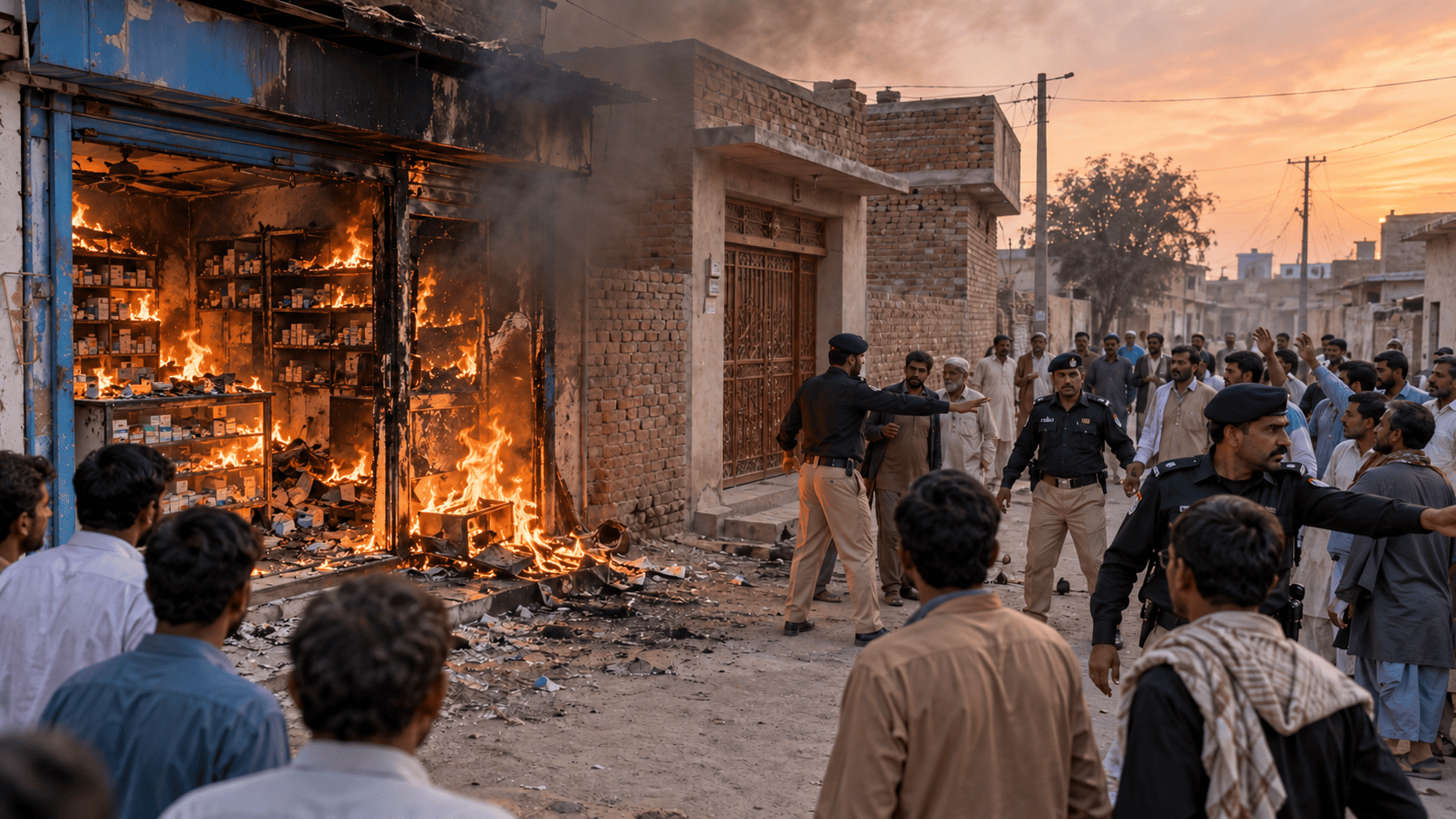
The Difference Between Charity and Sustainable Livelihoods. For centuries, charitable giving has transformed lives by providing food, shelter, healthcare, education, and hope to people facing extraordinary challenges. During natural disasters, humanitarian emergencies, conflicts, and economic crises, charity saves lives.
Yet many families continue living in poverty despite receiving assistance.
Why?
Because while charity often addresses immediate needs, it does not always eliminate the underlying causes of poverty.
Lasting transformation requires something more than temporary assistance.
It requires opportunity.
This is where sustainable livelihoods become one of the most effective long-term solutions for reducing poverty and building stronger, more resilient communities.
At Samaritan’s Fellowship Foundation, we believe both charity and sustainable livelihoods are essential—but they serve different purposes.
Understanding the difference helps create greater impact for families and communities around the world.
What Is Charity?
Charity is the voluntary act of helping people meet immediate needs.
It provides urgent assistance when individuals or communities cannot meet basic necessities on their own.
Examples include:
- Food distribution
- Emergency shelter
- Medical assistance
- Disaster relief
- Clothing donations
- Clean drinking water during emergencies
- Emergency cash assistance
These interventions protect lives during times of crisis.
Without charity, millions of vulnerable people would face even greater hardship.
Charity is compassionate.
It is necessary.
It is life-saving.
What Are Sustainable Livelihoods?
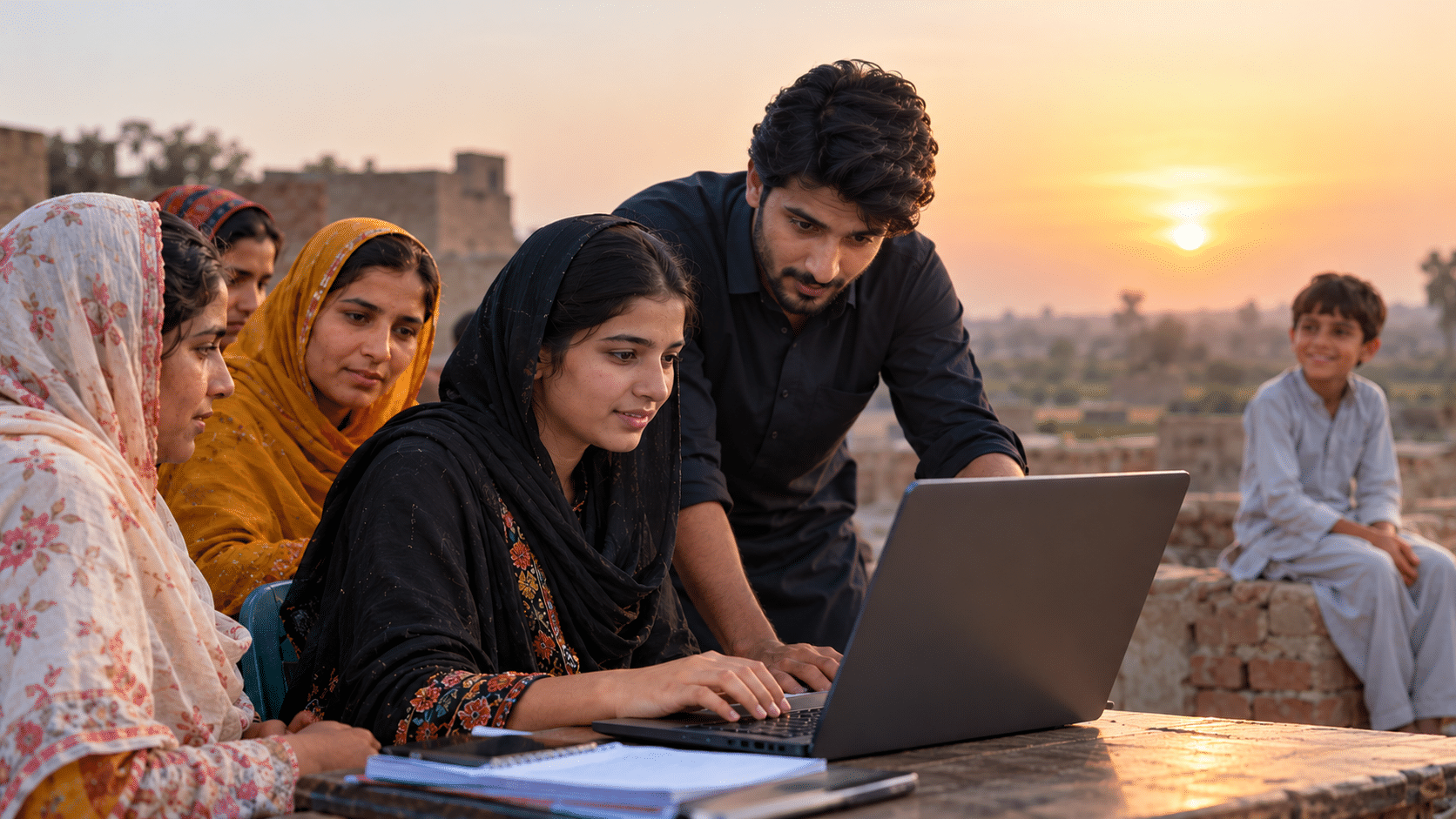
Sustainable livelihoods focus on creating long-term economic independence.
Instead of meeting today’s needs alone, they help families generate reliable income that allows them to meet tomorrow’s needs themselves.
Examples include:
- Vocational skills training
- Small business development
- Livestock programs
- Agricultural support
- Business startup grants
- Entrepreneurship mentoring
- Financial literacy
- Women’s economic empowerment
Rather than providing temporary assistance, sustainable livelihood programs help families build lasting financial security.
Charity Solves Immediate Problems
Imagine a family that has no food.
Providing emergency food assistance is the right response.
It saves lives.
Now imagine that same family six months later.
If they still have no income, they may once again need food assistance.
The immediate problem has been solved.
The underlying problem remains.
Sustainable Livelihoods Solve Root Causes
Now imagine that same family receives:
- Vocational training
- A sewing machine
- Business mentoring
- Startup support
- Market access
Instead of receiving repeated assistance, the family begins earning regular income.
That income pays for food.
Education.
Healthcare.
Housing.
Future investments.
The cycle of poverty begins to break.
Neither Approach Is Better—They Work Together
One of the biggest misconceptions is that charity and sustainable development compete with one another.
They do not.
They complement each other.
During emergencies, charity is essential.
During recovery, sustainable livelihoods become equally important.
One saves lives.
The other rebuilds lives.
Together they create lasting impact.
Why Sustainable Livelihoods Create Long-Term Change
Economic opportunity changes everything.
Families with reliable income can:
- Buy nutritious food
- Keep children in school
- Access healthcare
- Improve housing
- Invest in sanitation
- Build emergency savings
- Reduce debt
- Plan for the future
Instead of surviving one crisis after another, they begin building stable, independent lives.
Dignity Matters
Most people do not want to depend on charity forever.
They want the opportunity to provide for their own families.
Employment, entrepreneurship, and business ownership restore dignity.
Families become contributors instead of recipients.
They gain confidence, purpose, and hope.
Opportunity empowers people in ways that temporary assistance alone cannot.
How StartFish Turns Charity Into Opportunity
At Samaritan’s Fellowship Foundation, we believe that emergency assistance should become the beginning of transformation—not the end of it.
Through StartFish, we help vulnerable families establish income-generating small businesses that provide sustainable livelihoods and long-term financial independence.
Support may include:
- Tailoring businesses
- Grocery kiosks
- Poultry farming
- Barber shops
- Mobile phone repair
- Electrical services
- Plumbing
- Food carts
- Dairy farming
- Other locally appropriate enterprises
Each business creates ongoing income that helps families become economically independent.
👉 Discover how StartFish helps families replace dependency with sustainable opportunity.
Freedom Requires More Than Rescue
Families rescued from bonded labor often face another challenge.
How will they support themselves tomorrow?
Without reliable income, many remain vulnerable to exploitation.
That is why sustainable livelihoods play an essential role alongside our Set Them Free initiative.
Freedom becomes sustainable when families have opportunities to earn an honest living.
👉 Learn how Set Them Free helps families rebuild their lives after modern slavery.
Clean Water Supports Sustainable Development
Economic opportunity depends on good health.
Families suffering from unsafe drinking water often experience repeated illness, lost income, and higher medical expenses.
Our End Water Crisis initiative helps communities gain access to clean water, creating healthier conditions that support education, employment, and sustainable economic development.
👉 Learn how clean water strengthens livelihoods and creates healthier communities.
Why Donors Should Invest in Sustainable Livelihoods
Every donation matters.
Emergency assistance saves lives during moments of crisis.
Sustainable livelihood programs continue creating impact long after the original investment has been made.
One sewing machine.
One poultry business.
One grocery kiosk.
One barber shop.
These simple investments can transform an entire family’s future.
When donors invest in sustainable livelihoods, they help create dignity, resilience, independence, and lasting hope.
A Future Beyond Poverty
Poverty cannot always be solved through temporary assistance alone.
Communities need opportunities that create long-term economic independence.
They need education.
Skills.
Employment.
Entrepreneurship.
Hope.
Charity opens the door.
Sustainable livelihoods help families walk through it.
Together, these approaches create stronger families, healthier communities, and brighter futures for generations to come.
How You Can Make a Lasting Difference
Your support can help families move beyond survival.
Together, we can provide:
- Business startup support
- Vocational skills training
- Livelihood equipment
- Entrepreneurship mentoring
- Sustainable income opportunities
- Long-term economic independence
Support StartFish today and help families build futures defined by dignity, opportunity, and hope.
Frequently Asked Questions
What is the difference between charity and sustainable livelihoods?
Charity provides immediate assistance during times of need, while sustainable livelihoods create long-term economic opportunities that help families become financially independent.
Is charity still important?
Yes. Charity saves lives during emergencies, disasters, and humanitarian crises. It remains an essential part of humanitarian work.
Why are sustainable livelihoods important?
They address the root causes of poverty by helping families generate reliable income, reduce dependency, and build long-term resilience.
Can charity and sustainable livelihoods work together?
Absolutely. Emergency relief addresses immediate needs, while sustainable livelihood programs help families rebuild and become self-reliant over time.
What is StartFish?
StartFish is Samaritan’s Fellowship Foundation’s sustainable livelihoods initiative that helps vulnerable families establish income-generating small businesses through training, equipment, and startup support.
How do sustainable livelihoods reduce poverty?
By creating ongoing income, families can afford education, healthcare, nutritious food, improved housing, and future investments without relying on repeated assistance.
Why do small businesses create lasting impact?
Unlike temporary aid, successful small businesses continue generating income for years, helping families build financial stability and economic independence.
How can I support sustainable livelihood programs?
You can support StartFish by helping fund small business opportunities, vocational training, and entrepreneurship programs that empower vulnerable families to escape poverty permanently.
Final Call to Action
Charity changes today.
Sustainable livelihoods change tomorrow.
Together, they change generations.
Support StartFish and help families build a future powered by opportunity, dignity, and lasting economic independence.