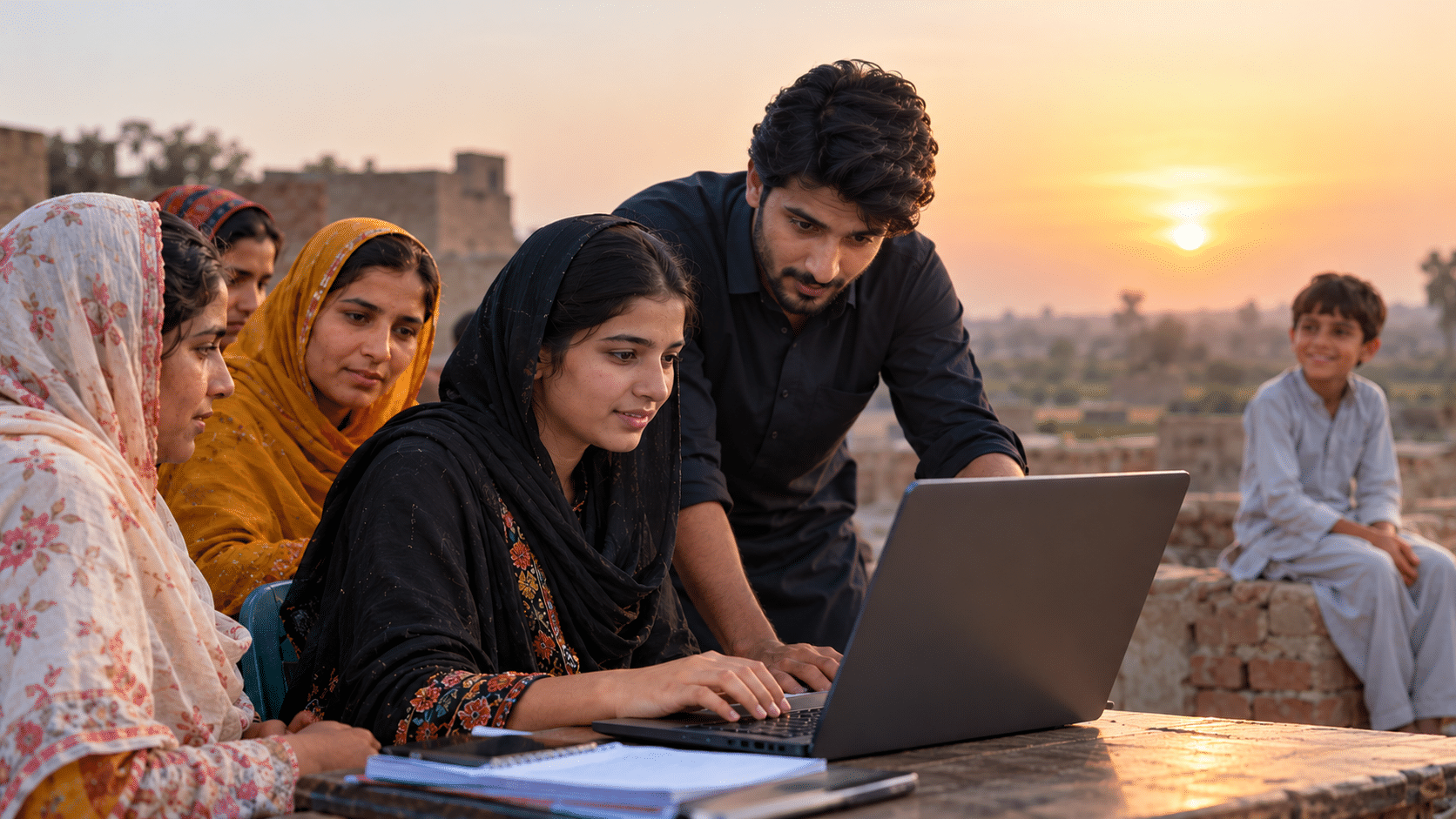
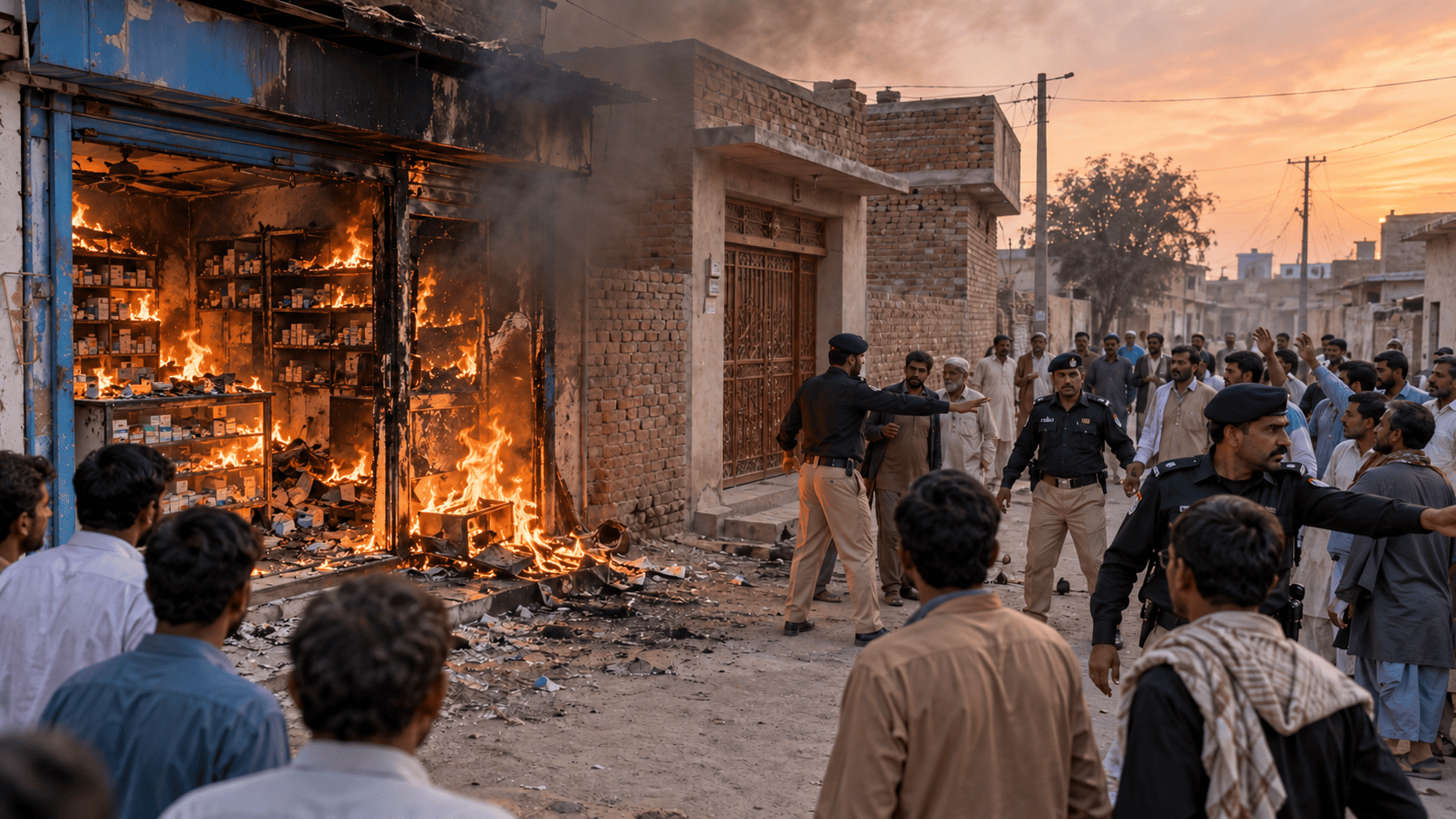
For millions of families around the world, poverty is not caused by a lack of determination or willingness to work. It is often the result of limited opportunities, restricted access to productive assets, and the absence of sustainable sources of income.
Many parents work tirelessly every day, yet they still struggle to provide enough food, send their children to school, or pay for basic healthcare. Without access to stable employment or opportunities to earn a reliable income, families can remain trapped in poverty for generations.
One of the most effective ways to break this cycle is through small business development.
A modest investment in a family-owned enterprise can create long-term financial independence, restore dignity, and provide opportunities that continue benefiting future generations.
At Samaritan’s Fellowship Foundation, we believe that lasting transformation begins when families move beyond dependence and gain the opportunity to earn a sustainable living.
Why Poverty Continues Across Generations
Poverty is rarely a one-time crisis.
Instead, it often becomes a cycle that passes from one generation to the next.
Families living in poverty frequently face multiple barriers, including:
- Limited education
- Lack of vocational skills
- Unemployment
- Debt
- Social exclusion
- Poor health
- Limited access to capital
- Natural disasters
- Economic instability
Without meaningful economic opportunities, many families remain vulnerable even after receiving humanitarian assistance.
Why Small Businesses Matter
A small business is much more than a source of income.
It creates stability.
Unlike temporary financial assistance, a business can continue generating income month after month.
That income allows families to meet daily needs while planning confidently for the future.
Even a modest enterprise can transform an entire household.
Examples include:
- Grocery kiosks
- Tailoring services
- Poultry farming
- Barber shops
- Mobile phone repair
- Electrical services
- Plumbing
- Dairy farming
- Fruit and vegetable stalls
- Food carts
These businesses require relatively small investments but can produce long-term economic impact.
Income Creates Independence
The greatest benefit of a successful small business is not simply higher income.
It is independence.
Families begin making decisions based on opportunity instead of survival.
Instead of waiting for assistance, they generate their own income.
Instead of borrowing money, they begin saving.
Instead of worrying about tomorrow’s meal, they begin planning for tomorrow’s future.
Economic independence restores confidence, dignity, and hope.
Small Businesses Transform Entire Families
When one family member starts a successful business, the benefits extend far beyond the individual entrepreneur.
Regular income helps families:
- Buy nutritious food
- Pay school fees
- Access healthcare
- Improve housing
- Invest in better sanitation
- Build emergency savings
- Reduce debt
- Improve children’s future opportunities
Over time, these improvements strengthen entire communities.
Education Begins with Economic Stability
Children often leave school because families simply cannot afford the costs associated with education.
A sustainable income changes that reality.
Parents can invest in:
- School uniforms
- Books
- Transportation
- Learning materials
- Technology
- Higher education
Education then becomes another pathway out of poverty.
Small Businesses Empower Women
Women’s entrepreneurship creates remarkable social and economic benefits.
When women gain opportunities to earn independent income, households frequently experience:
- Higher family income
- Better nutrition
- Improved education
- Increased healthcare spending
- Greater financial resilience
Supporting women-led enterprises strengthens families while promoting inclusive economic development.
Economic Opportunity Protects Human Dignity
Every person deserves the opportunity to support themselves through honest work.
Employment and entrepreneurship restore more than income.
They restore dignity.
Families no longer see themselves as beneficiaries.
They become business owners, employers, community contributors, and role models for future generations.
Opportunity changes identity.
How StartFish Helps Families Build Sustainable Livelihoods
The StartFish initiative by Samaritan’s Fellowship Foundation helps vulnerable families establish income-generating small businesses based on local skills, community demand, and long-term sustainability.
Support may include:
- Business startup grants
- Essential equipment
- Vocational training
- Business mentoring
- Market-oriented livelihood planning
Rather than creating dependency, StartFish equips families with the tools and opportunities they need to build lasting financial independence.
Whether it is a tailoring business, barber shop, grocery kiosk, poultry enterprise, or another locally appropriate venture, each business becomes an investment in a family’s future.
👉 Learn how StartFish helps families build sustainable livelihoods through entrepreneurship.
Freedom Requires Economic Opportunity
Families rescued from exploitation often remain economically vulnerable.
Without reliable income, many risk returning to situations of debt, forced labor, or exploitation.
This is why sustainable livelihoods are an essential part of long-term freedom.
Our Set Them Free initiative works alongside livelihood development to help families rebuild independent lives after escaping bonded labor.
Economic opportunity helps protect freedom.
👉 Discover how Set Them Free helps families rebuild their future with dignity.
Clean Water Supports Economic Growth
Healthy families are more productive families.
Access to clean water reduces illness, lowers medical expenses, and allows adults to work consistently while children remain in school.
Through our End Water Crisis initiative, communities gain access to safer drinking water, creating healthier conditions that support sustainable economic development.
Clean water and livelihoods work together to create lasting change.
👉 Learn how access to clean water strengthens families and communities.
Why Investing in Small Businesses Creates Lasting Impact
One successful business can create benefits that continue for many years.
Unlike temporary assistance, productive assets continue generating value.
A sewing machine can produce income every week.
A grocery kiosk serves an entire neighborhood.
A poultry business grows over time.
A barber shop creates repeat customers.
These businesses become long-term engines of financial stability.
That is why investing in entrepreneurship is one of the most effective strategies for reducing poverty sustainably.
How You Can Help
Your support can help vulnerable families receive:
- Small business startup grants
- Vocational skills training
- Business equipment
- Entrepreneurship mentoring
- Sustainable livelihood opportunities
Together, we can help families replace dependence with opportunity and poverty with lasting prosperity.
Support StartFish today and invest in a future built on dignity, work, and hope.
Frequently Asked Questions
How can a small business reduce poverty?
A small business generates regular income, allowing families to meet basic needs, invest in education, improve healthcare, and become financially independent.
Why are small businesses important for developing communities?
They create jobs, strengthen local economies, increase household income, and promote long-term community resilience.
What types of businesses help families escape poverty?
Tailoring, grocery stores, poultry farming, barber shops, food carts, mobile phone repair, electrical services, plumbing, dairy farming, and other locally appropriate enterprises.
What is StartFish?
StartFish is Samaritan’s Fellowship Foundation’s sustainable livelihood initiative that helps vulnerable families establish income-generating small businesses through startup support, equipment, and mentoring.
How does entrepreneurship improve education?
Reliable income enables parents to pay school fees, purchase learning materials, and keep children in school instead of sending them to work.
How do sustainable livelihoods improve long-term resilience?
By creating ongoing income, families become better prepared to handle emergencies, reduce debt, build savings, and invest in their future.
Can small business development reduce dependence on aid?
Yes. Sustainable businesses provide long-term income, reducing the need for repeated humanitarian assistance while strengthening family independence.
Why should donors invest in sustainable livelihoods?
Because one investment can continue generating income for years, creating lasting impact that extends far beyond temporary relief.
Final Call to Action
A small business is more than an investment in income.
It is an investment in dignity, opportunity, resilience, and hope.
Together, we can help families escape poverty forever by creating opportunities that continue transforming lives for generations.