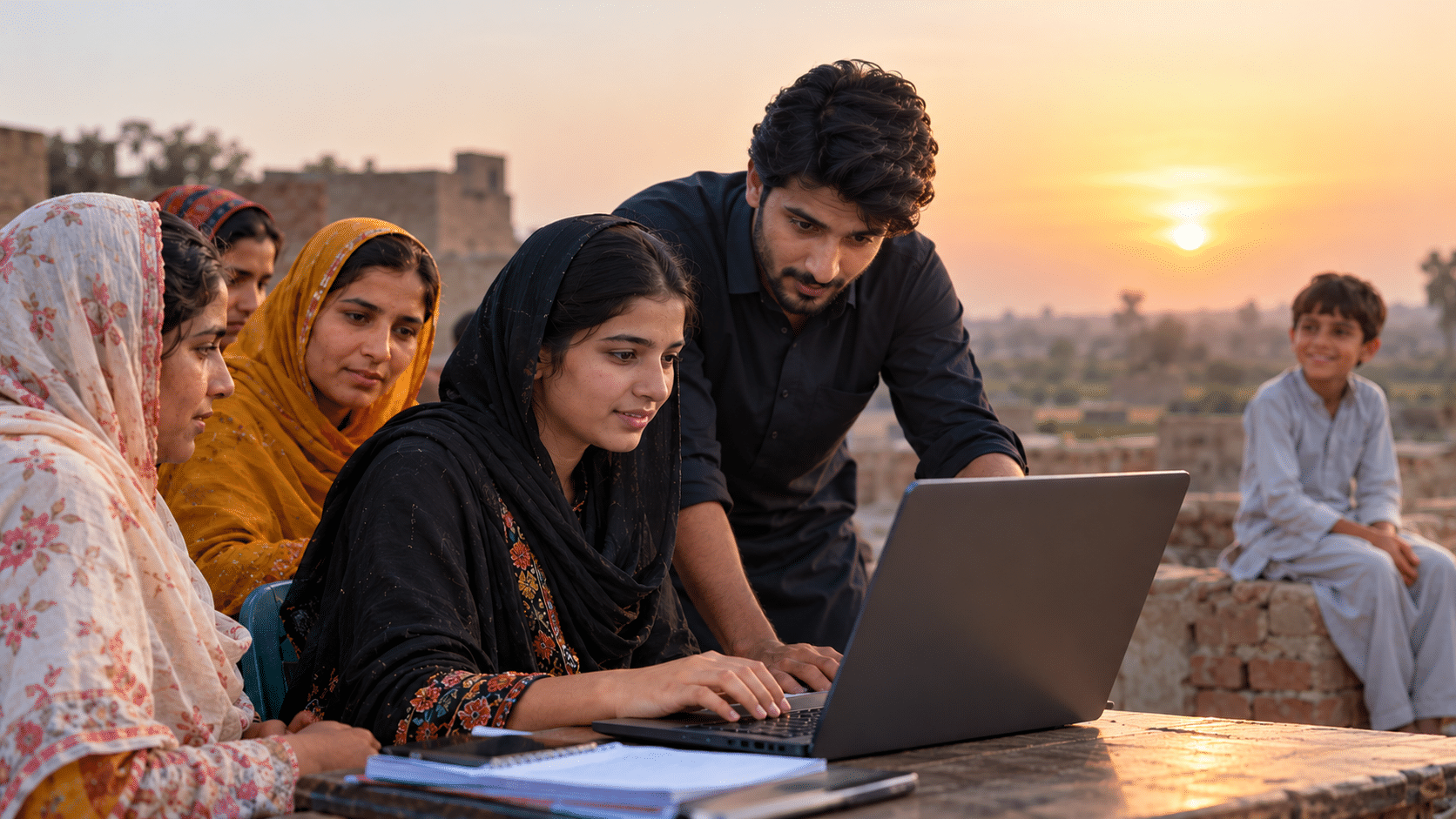
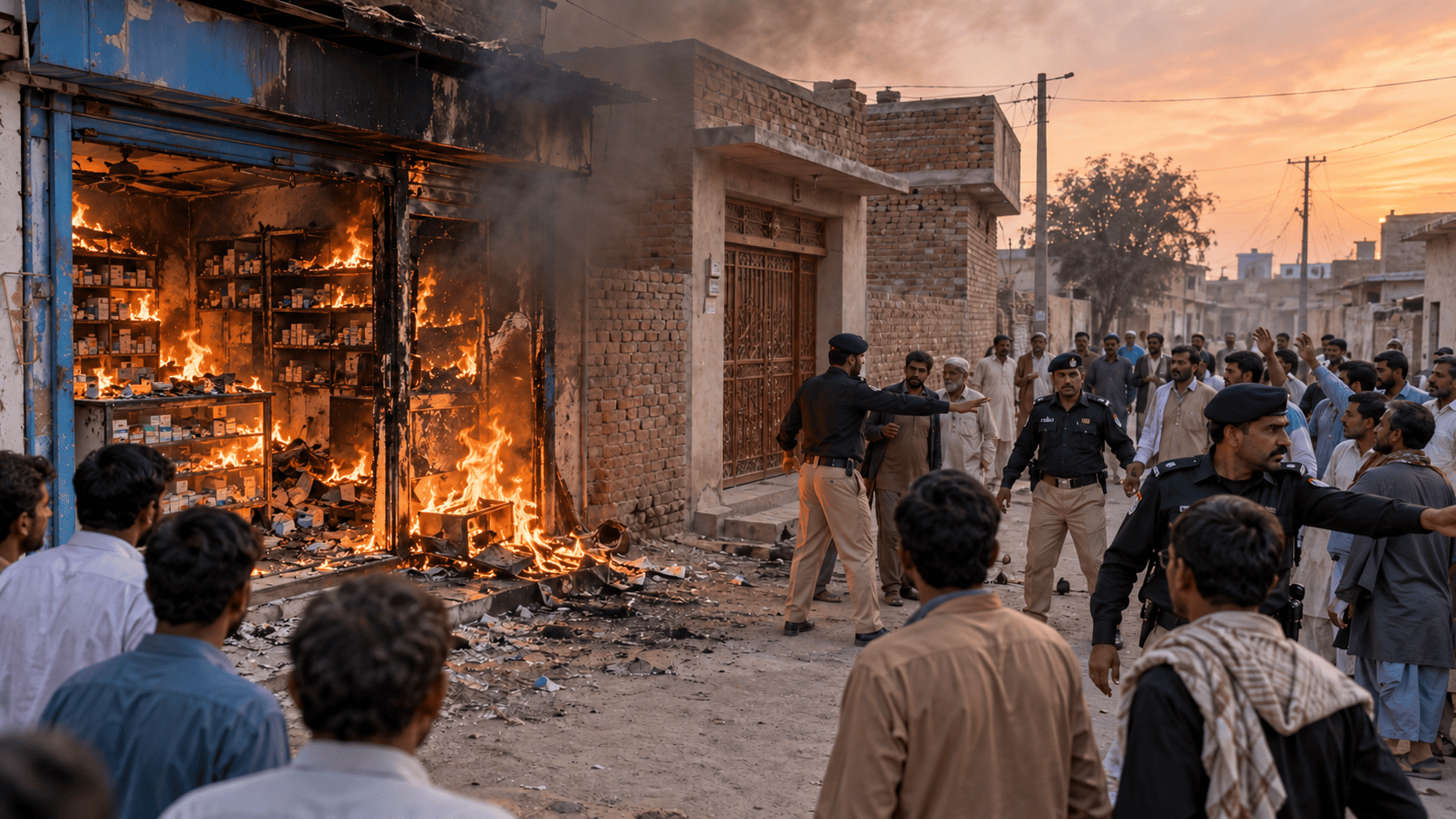
When disaster strikes or poverty pushes families to the brink of survival, emergency aid becomes a lifeline. Food, clean water, medical care, shelter, and emergency relief save lives and provide immediate protection during crises.
However, once the emergency passes, another challenge begins.
Many families return to the same cycle of poverty because the root causes remain unchanged. They still lack stable income, employment opportunities, vocational skills, productive assets, and access to sustainable economic opportunities. As a result, temporary relief often becomes a recurring necessity rather than a pathway toward lasting change.
This is why sustainable livelihoods matter.
At Samaritan’s Fellowship Foundation, we believe emergency aid is essential during crises, but long-term transformation happens when families are empowered to earn their own income, regain their dignity, and become economically independent.
Our philosophy is simple:
Relief saves lives. Sustainable livelihoods rebuild them.
Understanding the Difference Between Relief and Sustainable Development
Emergency aid is designed to meet immediate needs.
It provides assistance during disasters, conflict, displacement, disease outbreaks, or periods of extreme hardship.
Examples include:
- Food assistance
- Emergency medical care
- Temporary shelter
- Clean drinking water
- Hygiene supplies
- Emergency cash assistance
These interventions are vital.
Without them, countless people would lose their lives every year.
Yet emergency aid addresses the symptoms of poverty—not its underlying causes.
Sustainable livelihood programs focus on solving those causes by helping families generate reliable income and build long-term resilience.
Instead of asking,
“How can we help this family survive today?”
they ask,
“How can this family thrive for years to come?”
Why Poverty Persists
Poverty is rarely caused by a lack of determination.
In many communities, people work incredibly hard every day but still struggle to meet basic needs.
Common barriers include:
- Limited employment opportunities
- Lack of vocational skills
- Debt and financial exploitation
- No productive assets
- Limited access to markets
- Poor education
- Health challenges
- Social exclusion
- Discrimination
- Natural disasters
Without addressing these underlying challenges, families often remain trapped in generational poverty despite receiving repeated assistance.
The Limitations of Emergency Aid
Emergency assistance plays a critical role during humanitarian crises.
However, relying exclusively on emergency aid presents several challenges.
1. Relief Is Temporary
Food eventually runs out.
Medical supplies are consumed.
Temporary shelters are eventually removed.
Families still need income after assistance ends.
2. Dependency Can Develop
When opportunities for self-reliance are unavailable, communities may become dependent on continuous external assistance.
Most people do not want dependency.
They want dignity.
They want meaningful work.
They want the opportunity to provide for their own families.
3. Poverty Returns
Without sustainable income, many families eventually face the same hardships again.
The cycle continues.
Emergency.
Relief.
Recovery.
Poverty.
Emergency again.
Breaking this cycle requires a different approach.
What Are Sustainable Livelihoods?
A sustainable livelihood enables individuals and families to earn consistent income while building resilience against future challenges.
Rather than providing temporary support alone, livelihood programs create opportunities that continue generating benefits long after assistance has ended.
Examples include:
- Vocational skills training
- Small business development
- Agricultural support
- Livestock programs
- Equipment grants
- Entrepreneurship coaching
- Financial literacy
- Women’s economic empowerment
- Market access
- Business mentoring
These interventions create income instead of dependence.
Why Sustainable Livelihoods Create Lasting Change
Income Creates Choice
When families have stable income, they can make decisions for themselves.
They no longer need to choose between food and medicine.
Between education and rent.
Between survival and hope.
Income creates freedom.
Education Becomes Possible
Children from economically stable households are significantly more likely to remain in school.
Parents can afford:
- School fees
- Uniforms
- Transportation
- Books
- Learning materials
Education then becomes another pathway out of poverty.
Better Health Outcomes
Regular income allows families to:
- Purchase nutritious food
- Access healthcare
- Buy medicine
- Improve sanitation
- Invest in clean drinking water
Health improves naturally when economic security increases.
Women Become Economically Empowered
Economic opportunity transforms entire households.
When women own businesses or generate independent income, families often experience:
- Higher household income
- Better child nutrition
- Improved education
- Greater financial stability
Women’s economic empowerment strengthens entire communities.
Communities Become Stronger
Successful small businesses create local employment.
Local markets expand.
Economic activity increases.
Communities become more resilient to future crises.
From Charity to Opportunity
Traditional charity often asks:
“What does this family need today?”
Sustainable development asks:
“What does this family need to become independent?”
The answer is often opportunity.
A sewing machine.
A barber toolkit.
A grocery kiosk.
A poultry enterprise.
Mobile phone repair equipment.
Agricultural support.
These assets may appear simple, yet they can transform an entire family’s future.
How StartFish Helps Families Build Sustainable Futures
At Samaritan’s Fellowship Foundation, we believe lasting change begins with opportunity.
Through our StartFish initiative, we help vulnerable families launch small businesses that generate sustainable income and long-term financial independence.
Depending on local needs and skills, support may include:
- Tailoring businesses
- Barber shops
- Poultry farming
- Fruit and vegetable carts
- Grocery kiosks
- Mobile phone repair
- Electrical services
- Plumbing businesses
- Dairy farming
- Food carts
- Livestock enterprises
Rather than providing temporary assistance alone, StartFish helps families build income that can support them for years.
This approach restores dignity while creating pathways toward self-reliance.
👉 Learn how StartFish helps families build sustainable livelihoods and escape poverty through entrepreneurship.
Sustainable Livelihoods Help Families Stay Free
Economic vulnerability often places families at risk of exploitation.
Without stable income, many become trapped in debt, forced labor, child labor, or unsafe working conditions.
This is why livelihood support is closely connected to freedom.
Families rescued through our Set Them Free initiative often require sustainable income to rebuild their lives after escaping bonded labor.
Freedom is only sustainable when families have opportunities to earn a living with dignity.
👉 Discover how Set Them Free helps families rebuild their futures after escaping modern slavery.
Clean Water Supports Sustainable Development
Livelihoods cannot flourish without good health.
Communities suffering from unsafe drinking water often experience:
- Waterborne diseases
- Lost working days
- Reduced productivity
- Increased healthcare expenses
Access to clean water improves health, allowing families to work, learn, and invest in their future.
That is why our End Water Crisis initiative complements sustainable livelihood development by helping communities access safe drinking water.
👉 Learn how clean water strengthens families and supports sustainable economic development.
Why Sustainable Livelihoods Matter More Than Ever
Global poverty cannot be solved through emergency aid alone.
Communities need investments that continue creating value long after humanitarian assistance has ended.
When families earn their own income:
- Poverty declines.
- Children stay in school.
- Health improves.
- Women gain independence.
- Communities become stronger.
- Future crises become less devastating.
Sustainable livelihoods do not replace emergency aid.
They complete it.
How You Can Help
Every family deserves the opportunity to build a better future.
Your support can help provide:
- Vocational training
- Small business grants
- Livelihood equipment
- Entrepreneurship mentoring
- Economic opportunities
- Long-term financial independence
Together, we can move families beyond survival toward dignity, resilience, and lasting hope.
Support StartFish today and help a family build a future they can sustain for generations.
Frequently Asked Questions (FAQs)
What is a sustainable livelihood?
A sustainable livelihood enables individuals or families to earn stable income while building resilience against future economic challenges through employment, entrepreneurship, or productive assets.
Why isn’t emergency aid enough?
Emergency aid addresses immediate humanitarian needs but usually does not eliminate the underlying causes of poverty, such as unemployment, lack of skills, or limited economic opportunities.
What is the difference between emergency aid and sustainable livelihoods?
Emergency aid focuses on short-term survival, while sustainable livelihoods create long-term income, independence, and resilience.
How do small businesses reduce poverty?
Small businesses generate regular income, improve financial stability, create employment opportunities, and help families become self-reliant instead of depending on continuous assistance.
What types of businesses does StartFish support?
StartFish supports various income-generating activities, including tailoring, barber shops, poultry farming, grocery stores, food carts, electrical services, plumbing, mobile phone repair, dairy farming, and other locally appropriate enterprises.
How do sustainable livelihoods improve education?
When parents earn reliable income, they are better able to afford school fees, books, uniforms, transportation, and other educational expenses, allowing children to remain in school.
How do sustainable livelihoods empower women?
Women who own businesses or generate independent income often gain greater financial security, decision-making power, and opportunities to improve their families’ health and education.
How can I support sustainable livelihood programs?
You can help by donating to initiatives like StartFish, supporting vocational training, funding small business opportunities, and sharing awareness about long-term poverty solutions.
Final Call to Action
Emergency aid saves lives during moments of crisis.
Sustainable livelihoods transform lives for generations.
Together, we can help families move beyond survival, restore their dignity, and build lasting economic independence through opportunity—not dependency.